Zanzibar Archipelago
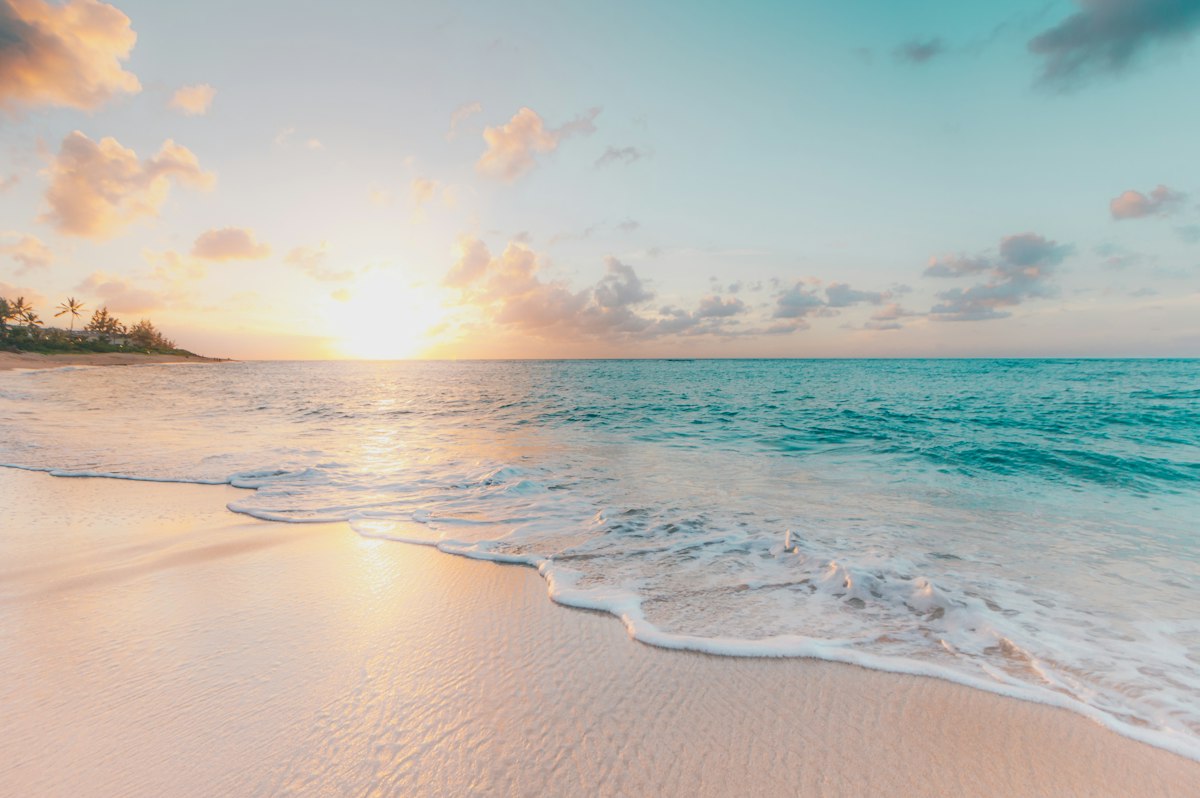
Immerse yourself in the historic Swahili coast on the Zanzibar Archipelago (Unguja). Explore the UNESCO-listed stone alleys of Stone Town, fragrant organic spice farms, and coral-sand beaches along the Indian Ocean.
About Zanzibar Archipelago
Island Geography and Maritime Swahili Culture
The Zanzibar Archipelago is located in the Indian Ocean approximately 35 kilometres off the coast of mainland Tanzania. Comprising the main island of Unguja (commonly called Zanzibar), Pemba to the north, and numerous smaller coral atolls, Zanzibar has served for centuries as a vital maritime trade crossroads linking the African interior, Arabia, Persia, and India.
The island's culture, language, and architecture reflect a rich Swahili synthesis forged through maritime dhow trade. In the nineteenth century under Omani Sultan Seyyid Said, Zanzibar became the commercial hub of the Indian Ocean clove trade and the capital of the Omani Sultanate.
Stone Town: UNESCO Architectural Landmark
The historic quarter of Zanzibar City, Stone Town, was inscribed as a UNESCO World Heritage site in 2000. Constructed predominantly from local coralline ragstone and mangrove timber, Stone Town is celebrated for its maze of narrow, pedestrian alleys, elevated balconies, and intricately carved wooden doors adorned with brass studs.
Key cultural landmarks include:
- The Old Fort (Ngome Kongwe): A heavy stone fortification constructed by Omani Arabs in the late seventeenth century on the site of an earlier Portuguese chapel, now housing open-air cultural performances.
- The House of Wonders (Beit-el-Ajaib): The grand ceremonial palace of Sultan Barghash built in 1883, renowned as the first building in East Africa equipped with electric lighting and a mechanical elevator.
- The Old Slave Market and Anglican Cathedral: Built directly over the whipping post of East Africa's last closed open slave market in 1873, preserving underground holding cells and a powerful memorial sculpture.
- Forodhani Gardens: The waterfront promenade that transforms each evening into a lively open-air street food market serving grilled seafood, Zanzibar pizzas, and freshly pressed sugarcane juice.
Spice Plantations and Rural Agroforestry
Inland from Stone Town, rural plantations showcase why Zanzibar is known as the 'Spice Island.' Guided agroforestry tours allow visitors to see, smell, and taste fresh cloves, cinnamon bark, nutmeg pods, cardamom seeds, turmeric, and black pepper cultivated in traditional permaculture gardens.
Beaches, Coral Reefs and Marine Conservation
The coastlines of Zanzibar offer diverse marine environments protected by barrier reefs:
- North Coast (Nungwi & Kendwa): Famous for wide coral-sand beaches where tidal fluctuations are minimal, allowing swimming throughout the day and lively sunset sailing.
- East Coast (Matemwe, Paje & Jambiani): Dominated by extensive tidal flats and turquoise lagoons popular for kitesurfing and reef walks, fronted by the protected Mnemba Atoll marine conservation reserve.
- Jozani-Chwaka Bay National Park: The island’s only national park, protecting indigenous groundwater forest and the endangered Zanzibar red colobus monkey (Piliocolobus kirkii).
Seasons, Access and Travel Etiquette
Zanzibar is accessible via international flights to Abeid Amani Karume International Airport (ZNZ) or via high-speed passenger ferries from Dar es Salaam (approximately two hours). Dry, sunny months run from June through October and December through February.
Zanzibar is a predominantly conservative Muslim society. While beach attire is standard at resort pools and shores, modest clothing covering shoulders and knees is strictly expected when walking through Stone Town, local villages, and markets.
Frequently Asked Questions
What is the appropriate dress code when walking in Stone Town?
Both men and women should wear modest clothing covering shoulders, chest, and knees. Swimwear and revealing resort clothing are unacceptable outside private beach properties.
How do travelers reach Mnemba Atoll for snorkeling?
Excursions depart by motorized boat or dhow from the village of Matemwe on the northeast coast. Visitors snorkel the protected coral reef perimeter; landing on private Mnemba Island itself is prohibited.
Can Stone Town be explored without a guide?
While walking the main thoroughfares is safe and enjoyable, hiring a licensed local heritage guide ensures travelers navigate the labyrinthine alleys effectively and understand the deep historical context of civic buildings and carved doors.
🦍 Wildlife & Nature
🎯 Top Experiences
🧳 Travel Tips & Practical Advice
Tanzania Beyond the Migration: Tarangire, Ngorongoro and Serengeti
Tanzania’s northern circuit is more than a migration forecast. Explore Tarangire’s river landscapes, Ngorongoro’s living conservation area and the many habitats of Serengeti.
🗺️ Zanzibar Archipelago Experiences
No tours are currently listed. Request a custom journey with a verified local operator.
✨ Request a Custom Journey with a Local Operator →📍 Nearby Destinations in Tanzania
ℹ️ Practical Info
Explore Zanzibar Archipelago
Custom journeys crafted directly by verified in-country specialists.
Request Custom Journey →