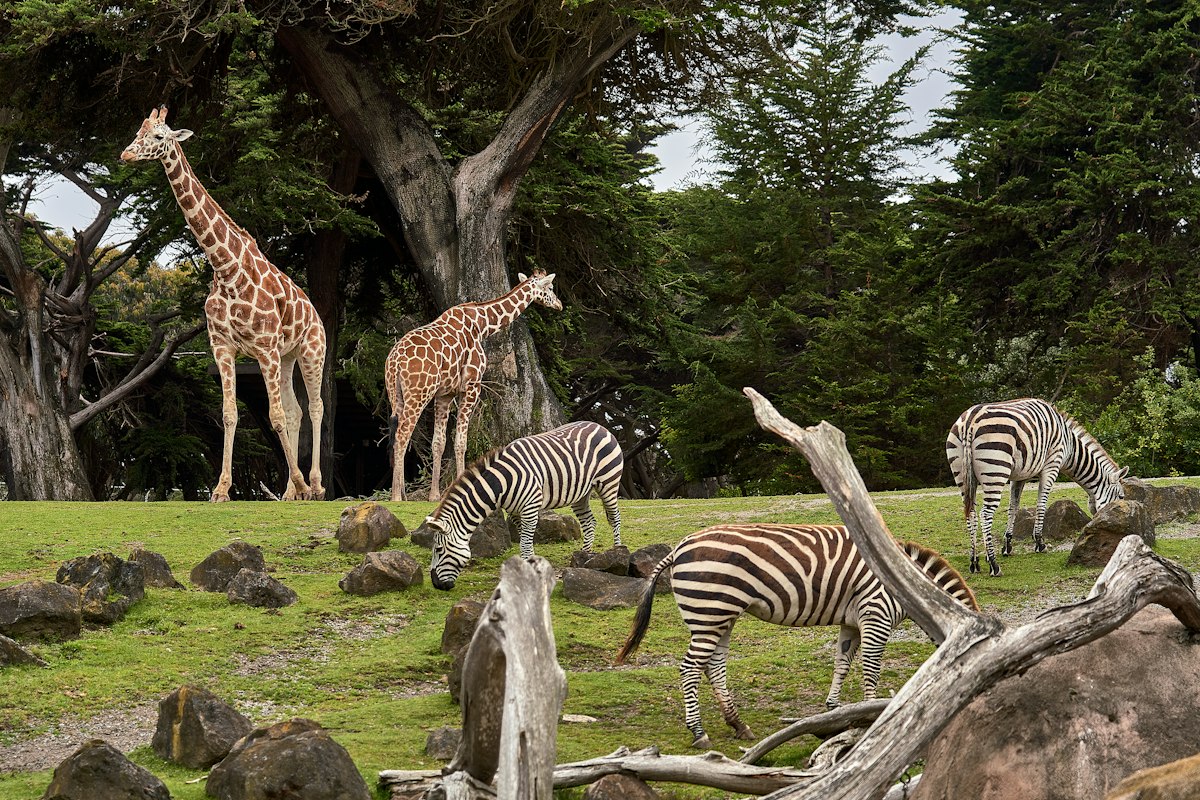
Tarangire National Park
Explore Tarangire National Park in northern Tanzania. Famed for ancient giant baobab trees, dry-season elephant migrations along the Tarangire River, and exceptional savannah birdlife across sweeping riverine plains.
About Tarangire National Park
Ecosystem and the Tarangire River Lifeblood
Covering approximately 2,850 square kilometres in northern Tanzania’s Manyara Region, Tarangire National Park was established in 1970. The park is named after the permanent Tarangire River, which snakes through the length of the reserve and serves as the primary freshwater refuge for wildlife across the entire 20,000-square-kilometre Maasai Steppe during the arid winter months.
When the surrounding landscape dries out between July and October, tens of thousands of animals migrate into Tarangire from surrounding community grazing lands to drink from the river and excavate water from dry sandy riverbeds, creating wildlife densities second only to the Ngorongoro Crater in northern Tanzania.
The Kingdom of Baobabs and Elephant Herds
The visual signature of Tarangire is its extraordinary density of ancient baobab trees (Adansonia digitata). These colossal, swollen succulents—some estimated to be over a thousand years old—punctuate rolling red-soil hills, providing moisture and mineral-rich bark for elephants during prolonged droughts.
Tarangire is famous for hosting enormous breeding herds of African elephants. Family groups frequently congregate in numbers exceeding one to two hundred individuals along the riverfront, offering remarkable opportunities to observe calves playing in shallow water and matriarchs leading herds through open acacia savanna.
The Silale Swamp and Predator Action
In the southern interior of the park lies the expansive Silale Swamp, an emerald marshland fed by underground springs that remains moist year-round. Silale acts like an immense sponge, attracting large herds of Cape buffaloes, reedbucks, and zebras.
Predators thrive around the swamp perimeter: tree-climbing lions rest on horizontal branches of sausage trees and umbrella acacias to escape ground flies and enjoy cooling breezes, while leopards patrol rocky granite inselbergs and cheetahs hunt along open grasslands.
Avian Wealth on the Maasai Steppe
With over 550 recorded bird species, Tarangire is regarded as one of the premier birdwatching destinations in Africa. The mix of dry acacia woodland, riverine forest, and permanent swamps provides ideal habitats for regional endemics including the yellow-collared lovebird, rufous-tailed weaver, and ashy starling, alongside giant ostrich flocks and kori bustards.
Seasons, Access and Safari Tips
Tarangire is located 120 kilometres southwest of Arusha, accessible via a smooth paved highway in about two hours, making it an easy first stop on northern Tanzania safari circuits. The dry season from June to October is the premier game-viewing period, when wildlife concentrates around the river and tsetse fly activity is reduced.
The green season (November to May) brings lush vegetation, low visitor numbers, and migratory bird arrivals, though animals disperse widely across the Maasai Steppe.
Frequently Asked Questions
Why do lions climb trees in Tarangire?
Lions in Tarangire frequently climb sausage and acacia trees to catch cooling breezes during the heat of the day and escape biting insects on the ground.
Can elephant sightings be assured during a visit to Tarangire?
During the dry season from June to October, elephants gather along the Tarangire River in large numbers daily, making sightings extremely frequent, though movements depend on localized rainfall.
How much time is recommended in Tarangire National Park?
One to two full days allows visitors to explore the northern river circuit as well as quieter southern wetlands around the Silale Swamp.
🦍 Wildlife & Nature
🎯 Top Experiences
🧳 Travel Tips & Practical Advice
Tanzania Beyond the Migration: Tarangire, Ngorongoro and Serengeti
Tanzania’s northern circuit is more than a migration forecast. Explore Tarangire’s river landscapes, Ngorongoro’s living conservation area and the many habitats of Serengeti.
🗺️ Tarangire National Park Experiences
No tours are currently listed. Request a custom journey with a verified local operator.
✨ Request a Custom Journey with a Local Operator →📍 Nearby Destinations in Tanzania
ℹ️ Practical Info
Explore Tarangire National Park
Custom journeys crafted directly by verified in-country specialists.
Request Custom Journey →