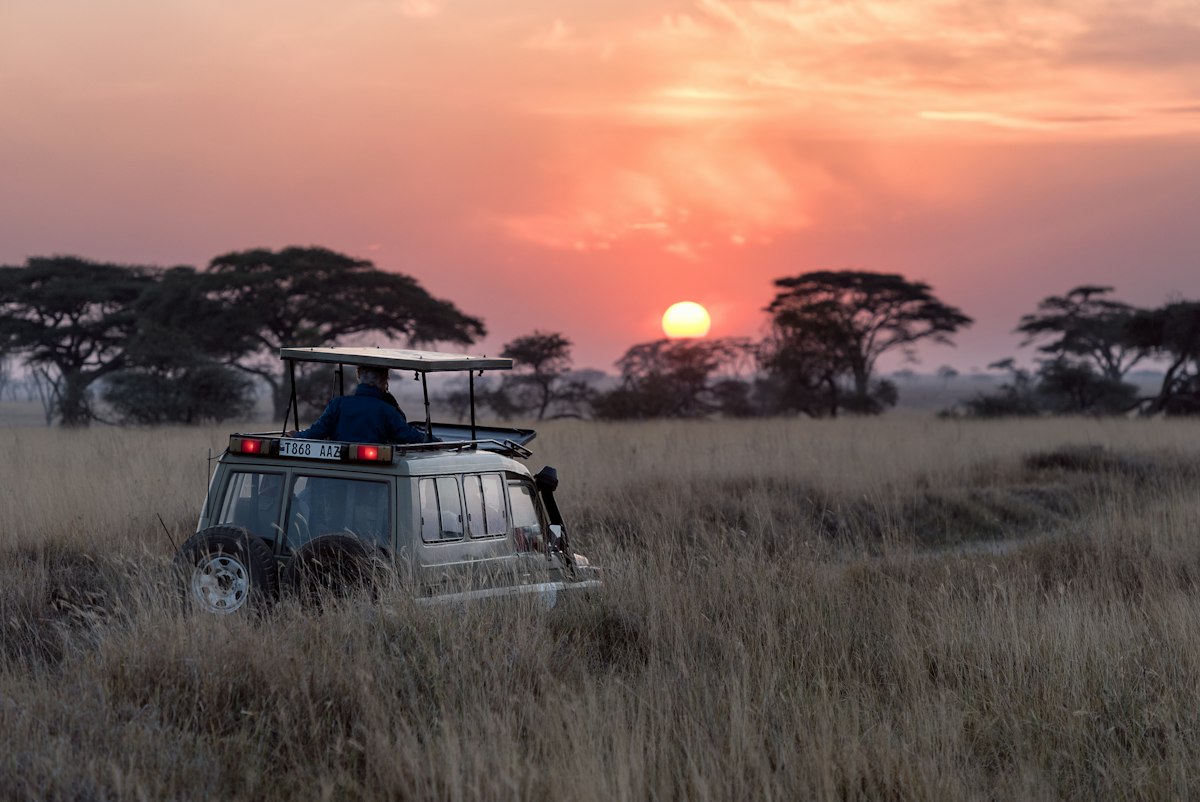
Ruaha National Park
Venture into Ruaha National Park in south-central Tanzania. Renowned for remote, rugged wilderness, massive lion prides, wild dog packs, and the life-giving Great Ruaha River fringed by ancient baobab groves.
About Ruaha National Park
Wild Southern Scale and Geography
Covering more than 20,000 square kilometres in south-central Tanzania, Ruaha National Park forms the centerpiece of the vast 45,000-square-kilometre Rungwa-Kizigo-Muhesi ecosystem. Established in 1964 and expanded in 2008, Ruaha is one of Tanzania’s largest national parks, celebrated for its raw, uncrowded wilderness character where few other safari vehicles are encountered.
The park is defined by the Great Ruaha River, which flows along its southeastern boundary. The landscape transitions between semi-arid acacia savannas, rocky granite kopjes, rolling hills, and vast groves of baobab trees, occupying a unique ecological convergence zone where southern African and eastern African flora and fauna overlap.
Predator Prides and Rare Carnivores
Ruaha is an internationally recognized predator stronghold. The park supports roughly ten percent of Africa's surviving wild lion population, with formidable prides often containing twenty or more individuals that specialize in hunting large buffalo herds and giraffes along the river corridor.
The park is also one of the most critical refuges for the endangered African wild dog (painted wolf), alongside substantial populations of leopards, cheetahs on open plains, and spotted and striped hyenas.
Exceptional Herbivore Diversity
Because Ruaha sits at the boundary of East African and Southern African ecological zones, it hosts an exceptional overlap of antelope species rarely seen together in a single park:
- Greater and Lesser Kudu: Both species of spiral-horned kudu inhabit the park's dry brush and hilly terrain.
- Roan and Sable Antelopes: Majestic wilderness antelopes that thrive in miombo woodlands in the western sectors.
- Large Mammals: Sizable herds of elephants, Cape buffaloes, Defassa waterbucks, impalas, and giraffes.
The Great Ruaha River Corridor
During the dry winter season (June to November), the Great Ruaha River recedes into a series of precious sandy pools and rocky waterholes. Animals concentrate heavily along the riverbanks, providing dramatic game viewing as predators monitor access points. Large pods of hippopotamuses compress into deep pools, and Nile crocodiles bask on sun-baked rocks.
Seasons, Access and Wilderness Safari Tips
The premier safari window is the dry season from June through November, when tracks are accessible and animals gather near the river. The green season (December through May) turns the park into a lush landscape of flowering flora and migratory birds, though high grasses make wildlife tracking more challenging.
Ruaha is accessible via scheduled light aircraft flights from Dar es Salaam (DAR), Arusha, or the Selous (Nyerere) to Msembe or Jongomeru airstrips. Overland driving from Iringa takes roughly two to three hours on gravel roads.
Frequently Asked Questions
Why is Ruaha considered distinct from northern Tanzanian parks?
Ruaha offers an immense, uncrowded wilderness with a fraction of the visitor density of northern parks, featuring dramatic baobab landscapes and an ecological mix of East and Southern African species.
Are walking safaris permitted in Ruaha National Park?
Yes. Accompanied by experienced TANAPA armed park rangers and professional guides, several safari camps offer exceptional guided wilderness walking safaris along sand rivers and rocky escarpments.
What is the recommended route to reach Ruaha National Park?
The most convenient and practical access is via scheduled light aircraft flights from Dar es Salaam, taking approximately two hours and landing directly at bush airstrips inside the park.
🦍 Wildlife & Nature
🎯 Top Experiences
🧳 Travel Tips & Practical Advice
Tanzania Beyond the Migration: Tarangire, Ngorongoro and Serengeti
Tanzania’s northern circuit is more than a migration forecast. Explore Tarangire’s river landscapes, Ngorongoro’s living conservation area and the many habitats of Serengeti.
🗺️ Ruaha National Park Experiences
No tours are currently listed. Request a custom journey with a verified local operator.
✨ Request a Custom Journey with a Local Operator →📍 Nearby Destinations in Tanzania
ℹ️ Practical Info
Explore Ruaha National Park
Custom journeys crafted directly by verified in-country specialists.
Request Custom Journey →