Masai Mara
Experience the rolling grasslands of the Masai Mara National Reserve in southwestern Kenya. Celebrated for seasonal wildebeest migrations across the Mara River, high predator concentrations, and community conservancies managed in partnership with local Maasai landowners.
About Masai Mara
Geographic Setting and Ecosystem Scope
The Masai Mara National Reserve encompasses approximately 1,510 square kilometres in Narok County, southwestern Kenya. Forming the northernmost portion of the greater Serengeti-Mara ecosystem, the reserve is characterized by undulating open savannah grasslands, acacia woodlands, rocky inselbergs, and riverine forests flanked by the winding Mara and Talek rivers. At elevations ranging from 1,500 to 2,170 metres, the Mara enjoys a temperate climate with warm days and cool highland nights.
Bordering the national reserve are extensive community-owned wildlife conservancies—such as Mara North, Olare Motorogi, Naboisho, and Olderkesi—established by indigenous Maasai landowners. These conservancies expand the protected wildlife dispersal area while directing tourism revenues directly into community dividends, education, and rangeland conservation.
The Great Migration and River Crossings
The Masai Mara is renowned globally as the dry-season destination of the Great Migration, one of Earth's most remarkable overland wildlife movements. Each year between July and October, over 1.5 million blue wildebeest, accompanied by hundreds of thousands of plains zebras and Thomson's gazelles, journey north from Tanzania's dry southern Serengeti plains in search of fresh rainwater grazing.
The dramatic climax of the migration occurs at the swollen crossings of the Mara and Talek rivers. Herds gather in thousands along steep riverbanks, hesitating before plunging into swift currents where resident Nile crocodiles and waiting lion prides patrol crossing points. The timing of crossings is determined entirely by localized rainfall patterns and herd instincts, making exact crossing days unpredictable.
Predators, Herbivores and Savanna Biodiversity
The Mara ecosystem sustains an exceptional variety of wildlife year-round, independent of migration season. While animals roam across unfenced open habitats and encounters cannot be assured, the reserve is celebrated for:
- Apex Predators: Prominent lion prides numbering up to thirty individuals that hunt across open plains, solitary leopards that patrol riverine fig and sausage trees, and cheetahs that utilize elevated termite mounds to spot prey. Spotted hyenas, black-backed jackals, and bat-eared foxes are common.
- Herbivores: Resident populations of African elephant, African buffalo, Masai giraffe, topi, eland, impala, and hippopotamuses in the Mara River. The reserve also protects endangered black rhinoceroses in monitored southern sectors.
- Avian Life: More than 470 recorded bird species, including six species of vultures, martial eagles, secretary birds striding through tall grass, and colorful lilac-breasted rollers.
Maasai Cultural Heritage and Community Partnerships
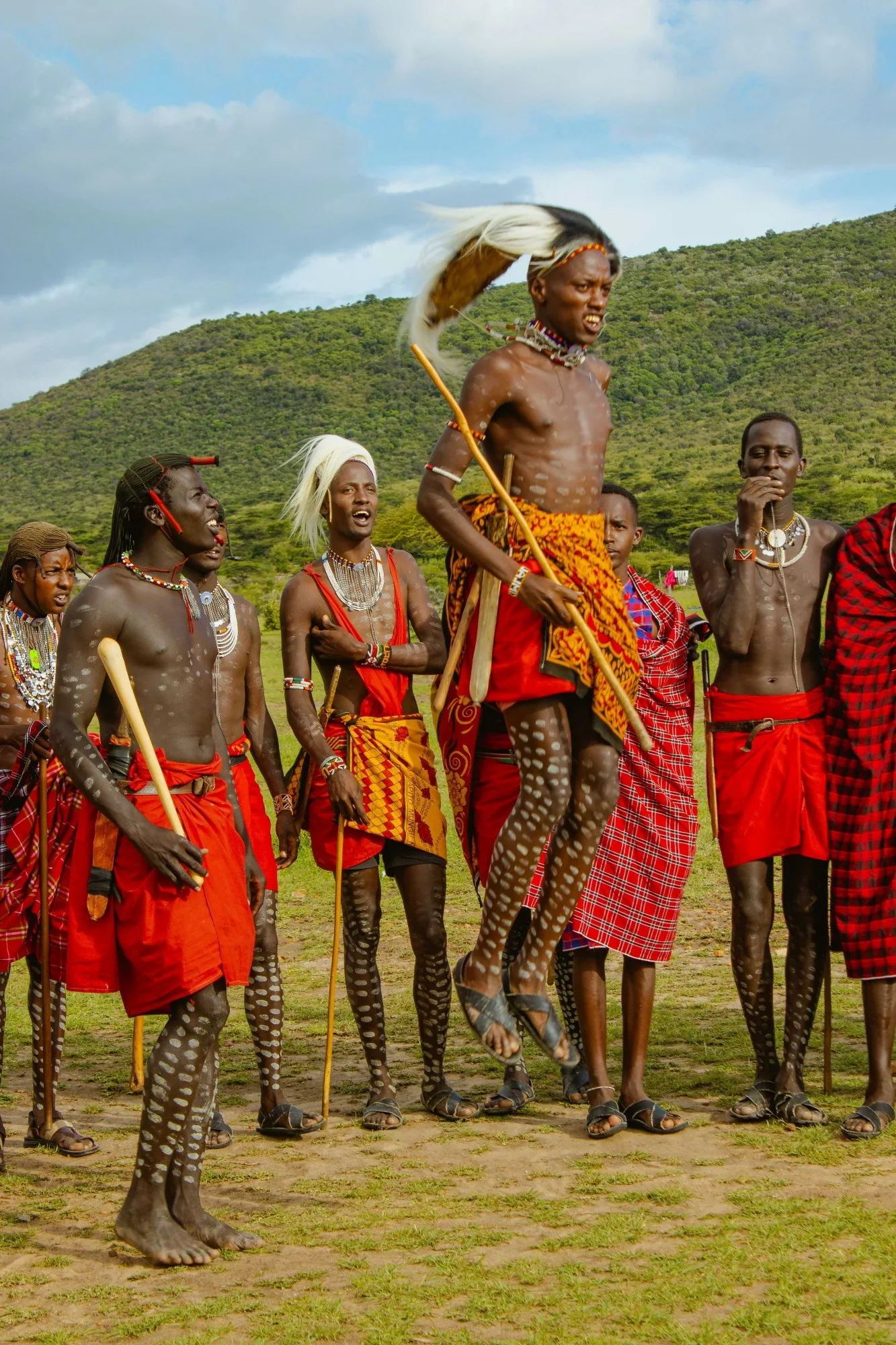
The human history of the Mara is inseparable from the pastoralist culture of the Maasai people, who have coexisted with regional wildlife for centuries. In community conservancies, safari camps partner directly with local pastoralist clans, training Maasai community members as certified professional safari guides and camp naturalists.
Cultural visits to traditional Maasai villages (manyattas) offer opportunities to learn about ancestral pastoral customs, beadwork craftsmanship, age-set transitions, and sustainable rotational cattle grazing. Respectful visits should be arranged through established conservancy protocols that ensure village entrance fees support school bursaries and local healthcare clinics.
Seasons, Climate and Safari Planning
The Mara experiences two rainy seasons: the long rains from late March through May, and the short rains in November and December. The dry winter months from July through October coincide with the Great Migration and offer optimal game-viewing conditions with low grass and dry tracks, though visitor numbers in the national reserve are at their peak.
The green season (January to March) provides quieter safari conditions, newborn wildlife, and exceptional birdwatching. The reserve is accessible via daily scheduled light aircraft flights from Nairobi's Wilson Airport (WIL) to multiple bush airstrips, or by road from Nairobi (approximately five to six hours).
Frequently Asked Questions
What is the difference between staying inside the National Reserve and in a private conservancy?
The National Reserve is open to all safari vehicles with strict rules prohibiting night drives and off-road tracking. Private conservancies restrict vehicle numbers to resident camp guests and permit controlled off-road driving and guided walking safaris with local Maasai guides.
Are Great Migration river crossings assured between July and October?
No. While vast herds of wildebeest and zebra inhabit the Mara during these months, the exact days and locations of river crossings depend on unpredictable herd movements and river water levels.
What luggage restrictions apply for light aircraft flights to the Masai Mara?
Domestic light aircraft flights strictly enforce a luggage limit of 15 kilograms per passenger, packed in soft-sided duffel bags without rigid frames or wheels to fit small aircraft cargo pods.
🦍 Wildlife & Nature
🎯 Top Experiences
🧳 Travel Tips & Practical Advice
Kenya Beyond the Mara: Amboseli, Tsavo and the Indian Ocean
Kenya’s safari story extends far beyond one reserve. Follow a thoughtful route from Nairobi to Amboseli’s elephant country, the vast Tsavo ecosystem and the Indian Ocean coast.
🗺️ Masai Mara Experiences
No tours are currently listed. Request a custom journey with a verified local operator.
✨ Request a Custom Journey with a Local Operator →📷 Masai Mara Photo Gallery
Click any photo to enlarge (4)ℹ️ Practical Info
Explore Masai Mara
Custom journeys crafted directly by verified in-country specialists.
Request Custom Journey →