Lake Nakuru National Park
Explore Lake Nakuru National Park in Kenya's Great Rift Valley. Encircling an alkaline soda lake, this sanctuary protects healthy populations of black and white rhinos, yellow-barked fever tree forests, and rich waterbird life.
About Lake Nakuru National Park
Rift Valley Hydrology and Geography
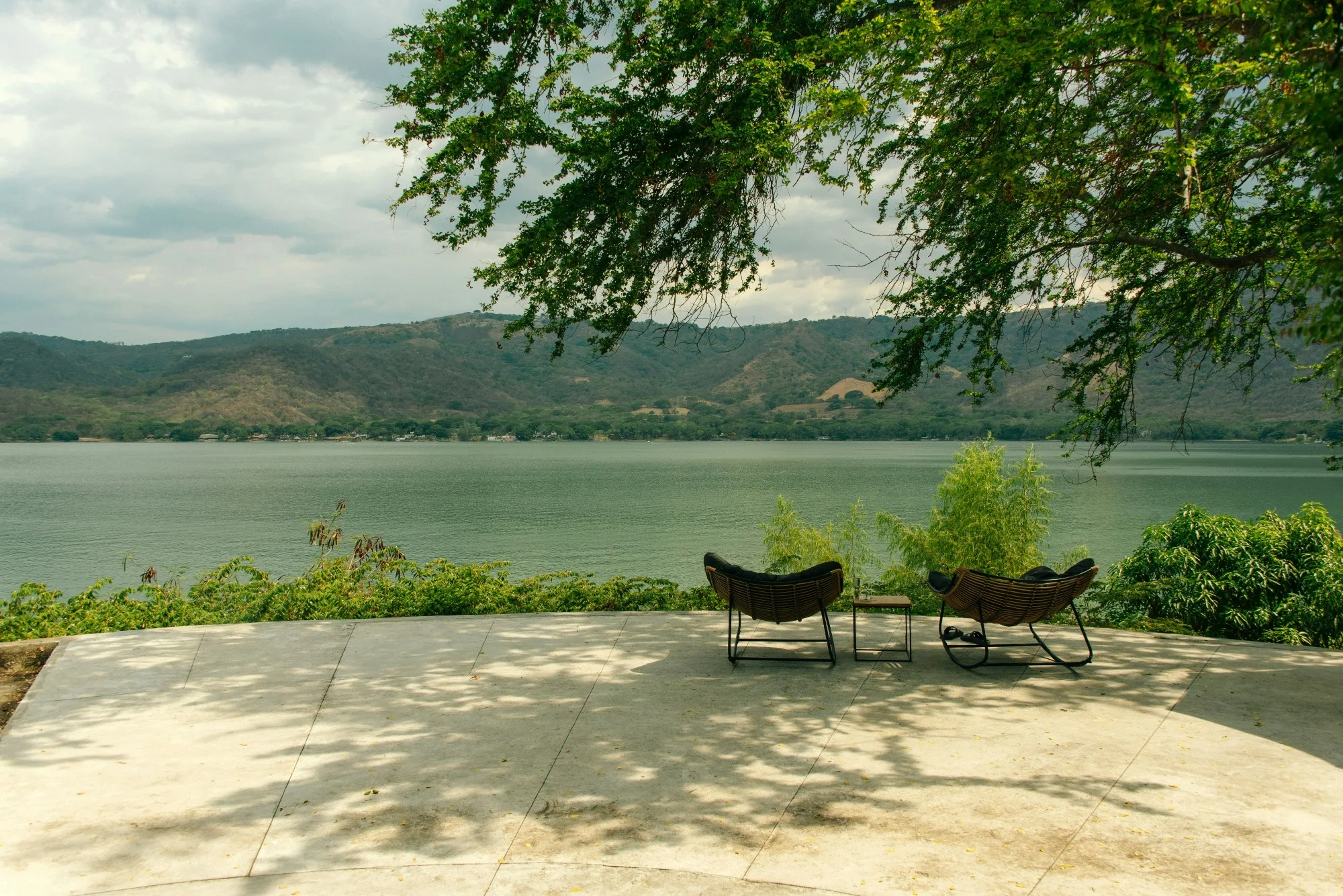
Covering 188 square kilometres on the floor of the Great Rift Valley, Lake Nakuru National Park is situated at an elevation of 1,754 metres immediately south of Nakuru city in central Kenya. Designated as a Ramsar Wetland of International Importance in 1990 and inscribed as part of the UNESCO World Heritage site Kenya Lake System in the Great Rift Valley in 2011, the park protects an endorheic alkaline soda lake framed by sheer volcanic cliffs, open grasslands, and yellow-barked acacia fever tree forests.
The lake's water levels and chemical alkalinity fluctuate naturally based on regional rainfall patterns across surrounding catchments. High alkalinity historically supported massive blooms of microscopic blue-green algae (Arthrospira fusiformis, commonly known as spirulina), forming the primary food source for large flocks of waterbirds.
Rhino Conservation Sanctuary
Lake Nakuru holds a pioneering position in Kenyan wildlife conservation. In 1987, the park was designated as Kenya's first official government-managed Rhino Sanctuary. Completely enclosed by an electrified perimeter fence to eliminate poaching pressure, the park protects healthy populations of both southern white rhinos (Ceratotherium simum simum) and critically endangered eastern black rhinos (Diceros bicornis michaeli).
The open grassy floodplains surrounding the lake provide optimal grazing territory for white rhinos, allowing visitors to observe mother and calf pairs at close range, while black rhinos browse deeper in acacia scrub and euphorbia forests.
Waterbirds and Flamingo Dynamics
Lake Nakuru is world-famous for its waterbird populations. While flamingo numbers fluctuate significantly according to seasonal lake depths and algae concentrations—with birds moving dynamically between Rift Valley lakes including Bogoria and Elementaita—the park supports over 450 recorded bird species.
Large flocks of great white pelicans, cormorants, African fish eagles, Goliath herons, and sacred ibises feed in freshwater river inflows, while seasonal Eurasian migratory waders stop over along mudflats between October and March.
Lookouts and Terrestrial Wildlife
Beyond the lake shore, volcanic hills provide dramatic scenic viewpoints. Baboon Cliff and Lion Hill offer sweeping panoramic vistas across the entire lake basin and the Rift Valley escarpment. The forested sector around Makalia Falls at the southern end of the park shelters Colobus monkeys and leopards.
Reintroduced Rothschild's giraffes thrive in acacia woodlands alongside waterbucks, impalas, Cape buffaloes, and occasional tree-climbing lions resting in acacia branches.
Seasons, Access and Practical Planning
Lake Nakuru enjoys a pleasant temperate climate year-round, with warm days (24°C to 28°C) and cool evenings. The park can be visited comfortably at any time of year, with January–March and July–October providing drier tracks. The park is located 160 kilometres northwest of Nairobi, easily accessible via a well-paved highway in approximately three hours.
Frequently Asked Questions
Are flamingos present at Lake Nakuru throughout the year?
Flamingo presence fluctuates depending on lake water levels and salinity. When lake levels rise, reducing algae concentrations, flamingos disperse to neighboring Rift Valley lakes such as Lake Bogoria. Waterbird diversity, however, remains high year-round.
Are rhino sightings consistent in Lake Nakuru National Park?
Because the park is fenced and intensively patrolled, rhino populations are well established and frequently observed grazing on open grasslands, though tracking depends on daily animal browsing patterns.
How much time is recommended to tour Lake Nakuru?
A full day or an overnight stay allows visitors to complete a comprehensive circuit of the lake shore, visit Baboon Cliff, and explore Makalia Falls.
🦍 Wildlife & Nature
🎯 Top Experiences
🧳 Travel Tips & Practical Advice
Kenya Beyond the Mara: Amboseli, Tsavo and the Indian Ocean
Kenya’s safari story extends far beyond one reserve. Follow a thoughtful route from Nairobi to Amboseli’s elephant country, the vast Tsavo ecosystem and the Indian Ocean coast.
🗺️ Lake Nakuru National Park Experiences
No tours are currently listed. Request a custom journey with a verified local operator.
✨ Request a Custom Journey with a Local Operator →📷 Lake Nakuru National Park Photo Gallery
Click any photo to enlarge (3)📍 Nearby Destinations in Kenya
ℹ️ Practical Info
Explore Lake Nakuru National Park
Custom journeys crafted directly by verified in-country specialists.
Request Custom Journey →