For many travelers, Kenya is introduced through the Maasai Mara. The reserve deserves its reputation, but treating it as the whole country obscures the extraordinary variety beyond it.
South of Nairobi, Amboseli opens toward the borderlands beneath Mount Kilimanjaro. Farther east, Tsavo stretches across an immense landscape of lava, dry river systems, woodland and red earth. Continue toward the Indian Ocean and the journey changes again: Swahili history, coral-stone towns, mangroves, beaches and marine environments replace the interior plains.
This route is not a substitute for the Mara. It is a different story—one about ecological scale, long-distance wildlife movement, railway and trade histories, and the relationship between Kenya’s interior and coast.
Kenya is more than a single safari image
Kenya’s tourism geography is unusually diverse. National parks, county-managed reserves, private and community conservancies, forests, mountains and coastal protected areas operate under different management systems. A responsible itinerary should explain those differences instead of presenting every landscape as interchangeable “safari country.”
Wildlife also moves beyond administrative boundaries. The health of an iconic park may depend on surrounding dispersal areas, migration corridors and relationships with neighboring communities. Ask operators where activities take place, who manages the land and how local people participate in tourism revenue and employment.
Nairobi: a city, not merely a gateway
Nairobi is one of Africa’s major cities and deserves more than an airport transfer. Its museums, food, design, neighborhoods and contemporary cultural life provide context for the journey ahead.
The capital is also a practical place for a safari briefing. Confirm park bookings, vehicle specifications, luggage limits, water arrangements and emergency procedures. If an attraction involves animals, ask about its conservation mandate, welfare standards and official authorization rather than relying on social-media popularity.
An additional night in Nairobi protects the itinerary from international flight delays and reduces pressure to begin a long road journey while tired.
Amboseli: elephants, wetlands and a shared ecosystem
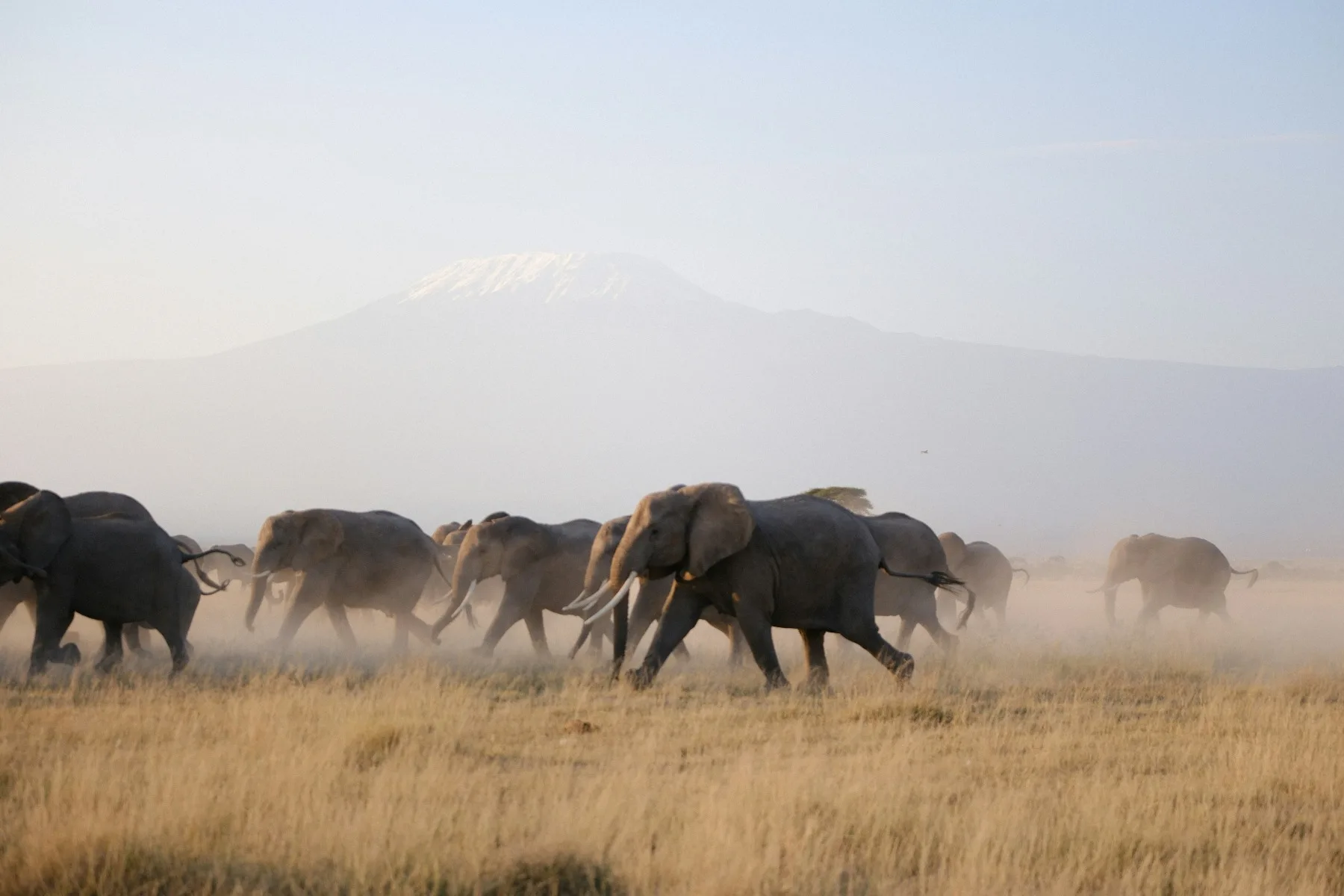
Amboseli National Park is known for open views and elephant encounters. Its landscape also includes seasonal wetlands, dry plains and habitats shaped by water flowing through the wider ecosystem.
Mount Kilimanjaro may form a dramatic background when atmospheric conditions cooperate, but it should never be promised as permanently visible. Cloud, haze and season affect the view.
Wildlife does not recognize the park boundary. Responsible tourism therefore includes respect for neighboring communities and conservancies, careful driving and avoidance of crowded sightings. Stay on authorized tracks, give elephants space and never ask a driver to position the vehicle aggressively for a photograph.
Two nights allows time for changing light and wildlife movement without turning Amboseli into a rushed checklist.
Tsavo West: lava, springs and rugged terrain
Tsavo West presents a more enclosed and geologically varied landscape than Amboseli. Lava flows, hills, woodland and water sources shape how wildlife is seen. Encounters may be less immediately visible than on open plains, rewarding patient observation and a guide who reads tracks and habitat.
The landscape carries histories of movement, infrastructure and conservation. Avoid reducing Tsavo to dramatic stories about predators or railway construction; these are parts of a much longer human and ecological history.
Current access to specific sites, road conditions and viewpoints should be confirmed with Kenya Wildlife Service and the operator.
Tsavo East: scale, red earth and long horizons
Tsavo East is associated with vastness. Red soil colors the landscape and, after dust bathing, may tint the hides of elephants. Rivers and seasonal water sources draw wildlife through an environment that can feel dramatically open.
The park’s size makes route planning important. A day described simply as “Tsavo” can involve significant driving. Confirm the chosen gate, lodge location and onward route so the itinerary does not hide excessive transfer time.
Photography should never take precedence over animal behavior. Maintain distance, keep voices low and avoid surrounding wildlife with multiple vehicles.
The journey to the Indian Ocean
Moving from Tsavo toward the coast creates one of the route’s strongest contrasts. Dry interior landscapes give way to humid air, palms, mangroves and the cultural history of the Swahili coast.
Coastal Kenya is not merely an extension for “beach time.” Mombasa and historic settlements such as Lamu or the towns farther south reflect centuries of Indian Ocean exchange. Architecture, language, food and religious life deserve the same care given to wildlife interpretation.
Choose community-based heritage guides where available, dress appropriately in places of worship and residential areas, and ask permission before photographing people. Marine activities should use operators that respect wildlife distances, reef protection and local regulations.
Optional northern alternative: Laikipia and Mount Kenya
Travelers with additional time can build a different journey north of Nairobi through Mount Kenya and Laikipia. This should be planned as an alternative circuit rather than inserted hurriedly into an Amboseli–Tsavo itinerary.
Conservancies in the region differ in ownership, governance and benefit-sharing. Ask specific questions about land tenure, community participation, guide employment and conservation funding rather than assuming that every property uses the same model.
A balanced 11-day Kenya route
This is a planning framework rather than a fixed package. Exact gates, accommodations, road conditions, rail or flight connections and park rules must be confirmed with a licensed Kenyan operator.
- Day 1 — Nairobi:
Arrive, recover and complete a detailed route, vehicle and safety briefing.
- Day 2 — Nairobi:
Explore the capital with a qualified local guide and prepare for the safari circuit.
- Day 3 — Nairobi to Amboseli:
Travel south with realistic stops and arrive before dark.
- Day 4 — Amboseli National Park:
Observe wildlife patiently across different habitats without chasing sightings.
- Day 5 — Amboseli:
Allow a second day for changing light, wetlands and the wider ecosystem.
- Day 6 — Amboseli to Tsavo West:
Enter a more rugged volcanic landscape and keep the afternoon flexible.
- Day 7 — Tsavo West:
Explore authorized routes and water-dependent habitats at an unhurried pace.
- Day 8 — Tsavo West to Tsavo East:
Cross into the larger eastern landscape with route timing agreed in advance.
- Day 9 — Tsavo East:
Spend a full day reading the landscape rather than pursuing a guaranteed species list.
- Day 10 — Tsavo to the coast:
Continue to the Indian Ocean and settle into the different rhythm of coastal Kenya.
- Day 11 — Coast:
Choose a locally guided heritage or responsible marine experience, or simply allow time to rest.
Add at least two more nights for a meaningful coastal stay. If Lamu, Laikipia or the Maasai Mara is included, extend the journey rather than compressing the existing route.
When to travel
Kenya’s seasons affect vegetation, road conditions, wildlife distribution, coast weather and visibility around Kilimanjaro. No short seasonal label applies equally to Nairobi, Amboseli, Tsavo and the coast.
Ask for advice tied to the exact route and month. Migration movements and wildlife concentrations vary, and rain can arrive outside simplified calendar expectations. A good operator explains possibilities and tradeoffs without guarantees.
Choosing a responsible Kenyan safari
Use licensed guides and properly insured vehicles.
Confirm who manages each park, reserve or conservancy visited.
Stay on authorized roads and follow speed limits.
Never pressure a guide to crowd, chase or block wildlife.
Keep noise low and allow animals a clear path.
Ask how community fees and conservation contributions are distributed.
Obtain consent before photographing people or private property.
Avoid purchasing wildlife products or coral.
Choose marine operators that protect reefs and maintain wildlife distance.
Carry waste out and reduce disposable plastics where practical.
Frequently asked questions
Can I visit Kenya without going to the Maasai Mara?
Yes. Amboseli, Tsavo, the central highlands, northern conservancies and the coast can support many distinct itineraries. The best choice depends on time, season and interests.
Is Mount Kilimanjaro always visible from Amboseli?
No. Visibility depends on clouds, haze, weather and time of day. It should be treated as a possibility, not a contractual promise.
How long should I spend in Tsavo?
Three or four nights divided between Tsavo West and Tsavo East gives a more realistic experience than a rushed transit. Lodge location and entry gate strongly affect driving time.
Can I combine safari and coast by road?
Yes, but the route must be planned carefully. Depending on the itinerary, rail or domestic flights may also reduce fatigue. Confirm transfers, luggage conditions and connections before booking.
Are conservancies the same as national parks?
No. Governance, ownership, access and community arrangements vary. Ask the operator to explain the model for every conservancy included.
Let Kenya’s contrasts shape the journey
Kenya does not need to be reduced to a single reserve or season. The country’s depth appears in the transition from a modern capital to Amboseli’s wetlands, Tsavo’s red earth and the Indian Ocean coast.
Allow those contrasts to guide the itinerary. Travel with enough time, ask direct questions about conservation and community benefit, and let wildlife remain wild rather than forcing every day toward a promised photograph.
Plan Your Journey with Verified Local Operators
Ethical itineraries · Registered local guides · Direct booking
TravelAfricas Editorial Team
Our editorial team collaborates with licensed local guides, conservationists, and regional travel specialists to produce accurate, responsible African travel dispatches.