Okavango Delta
Explore the labyrinthine wetlands of the Okavango Delta in northern Botswana. This inland oasis of papyrus channels, floodplains, and forested islands supports diverse wildlife, guided mokoro excursions, and pioneering low-impact conservation tourism.
About Okavango Delta
Ecosystem and Geological Foundations
The Okavango Delta in northern Botswana is universally acclaimed as an extraordinary wetland wilderness and UNESCO’s 1,000th World Heritage site. Unlike rivers that drain into the sea, the Okavango River originates in the humid highlands of Angola, flows across Namibia's Caprivi region, and terminates in the semi-arid Kalahari Desert basin. Here, tectonic fault lines fan the river out into a dynamic 15,000-square-kilometre labyrinth of crystal-clear channels, lagoons, oxbow lakes, and palm-studded islands.
The annual floodwaters arrive in northern Botswana between May and July during the dry winter months, having traveled more than 1,000 kilometres over several months. This counter-intuitive pulse of water transforms the parched Kalahari landscape into a thriving wetland habitat precisely when surrounding regions are at their driest, creating one of Earth's most remarkable concentrations of free-roaming wildlife.
Waterway Exploration by Traditional Mokoro
The signature experience of the Okavango Delta is traversing its tranquil channels aboard a traditional dug-out canoe known as a mokoro, silently propelled through waterlily beds by an expert local poler from surrounding community trusts. Drifting at water level allows travelers to absorb the natural ambient sounds of the delta—the calling of tiny painted reed frogs, the rustle of reeds as waterbuck feed, and the distant call of the African fish eagle.
In addition to mokoro trails, private concessions offer motorized boat cruises through deeper channels such as the Boro River and open 4x4 game drives across elevated dry tongues of land. Aerial flights by light aircraft or helicopter provide an essential perspective on the braided arteries and animal paths that define the delta from above.
Wildlife Diversity and Habitat Dynamics
The Delta supports exceptional biodiversity adapted to shifting water levels. While wildlife moves freely across unfenced wilderness concessions and sightings depend on season and animal movements, the delta provides habitat for key species:
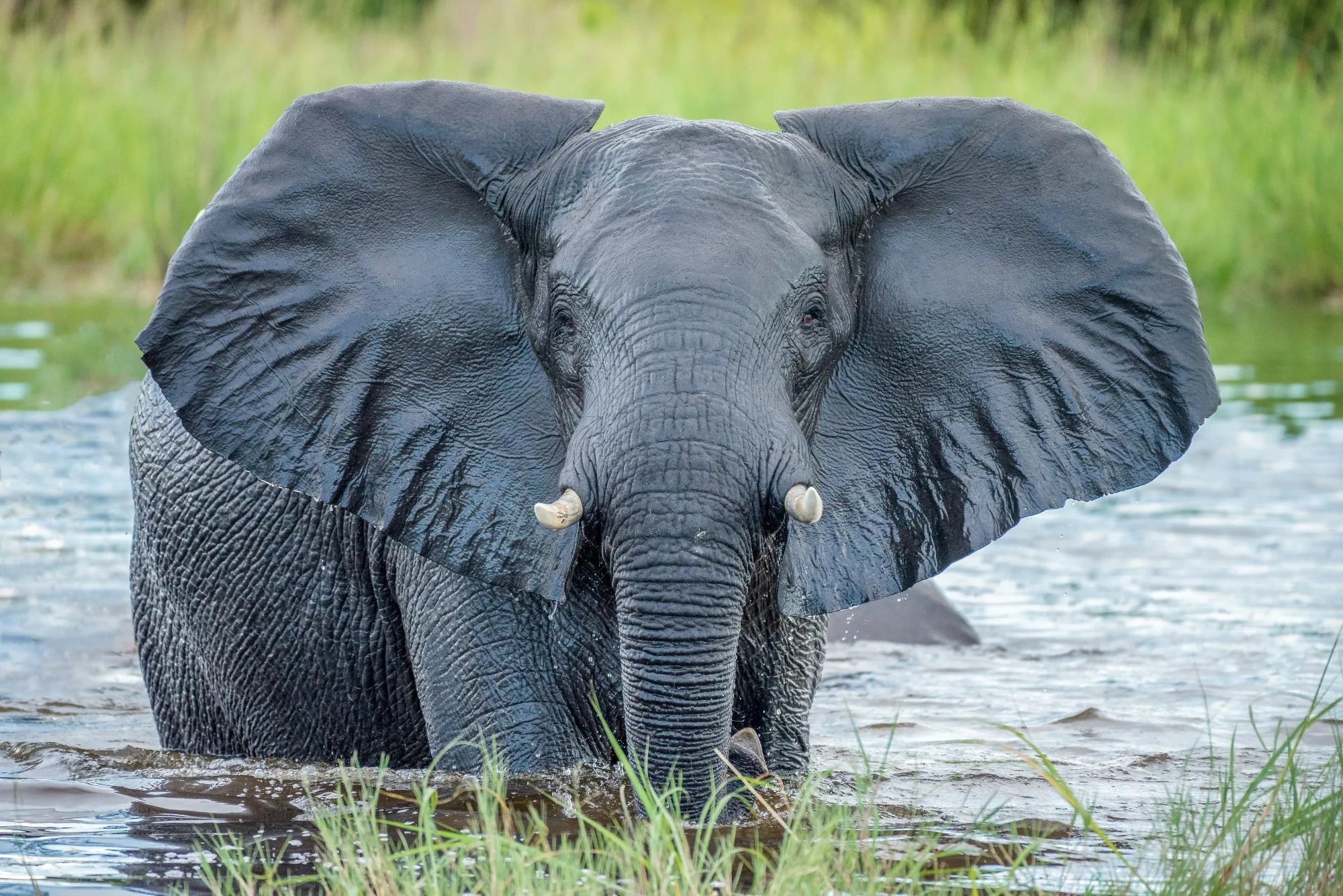
- Mammals: Sizable herds of African elephant, African buffalo, hippopotamus, and semi-aquatic antelopes such as red lechwe and sitatunga. Apex predators include lion prides, leopards that frequent sausage trees, spotted hyenas, cheetahs, and endangered African wild dogs (painted wolves).
- Avian Life: Over 450 recorded bird species, including the elusive Pel's fishing owl, slaty egret, wattled crane, malachite kingfisher, and African jacana stepping across floating lilies.
- Aquatic Life: Tigerfish, bream, and sharp-toothed catfish navigate seasonal flood channels alongside Nile crocodiles.
Conservation Policy and Low-Impact Tourism
Botswana operates a pioneering 'high-value, low-density' ecotourism model that intentionally limits visitor numbers and environmental impact across the Delta. Most accommodations are small, tented safari camps powered by solar energy, situated in private community-managed concessions where motorized off-roading, night spotlight drives, and guided bush walks are conducted with minimal disruption to natural ecosystems.
Tourism concession fees contribute directly to local district councils and community trusts, supporting rural employment, anti-poaching patrols, and wildlife conservation partnerships.
Seasonal Variations, Climate and Logistics
The Okavango experiences two distinct seasons. The high flood season (June through October) corresponds with Botswana's cool, dry winter, offering clear blue skies, mild daytime temperatures (20°C to 25°C), cold nights, and maximum water levels for boating and mokoro activities. The green season (November through April) brings summer heat, afternoon thundershowers, lush vegetation, migratory bird arrivals, and newborn antelope, though some water channels dry out and land tracks become muddy.
Access is primarily via light charter flights departing from the gateway airport of Maun (MUB) to private airstrips situated adjacent to safari camps. Strict soft-sided luggage weight restrictions (typically 15–20kg including hand luggage) apply on light aircraft.
Health, Safety and Responsible Conduct
The Okavango Delta is a malaria risk zone; consultation with a medical professional regarding antimalarial prophylaxis is strongly recommended before departure. Always follow the explicit instructions of your professional safari guide during walking safaris and boat excursions. Never swim in open delta channels due to the presence of crocodiles and hippopotamuses.
Frequently Asked Questions
What is the difference between water-based and land-based delta camps?
Permanent water camps focus on mokoro trails, boat safaris, and fishing, while land-based camps focus on 4x4 game drives and tracking large predators. Many camps in mixed concessions offer both water and land activities depending on seasonal flood levels.
Are light aircraft transfers required to reach delta safari camps?
Yes. The majority of safari camps in the central Okavango Delta are situated on isolated islands inaccessible by road and rely on light aircraft transfers from Maun or Kasane.
Can wildlife sightings be promised during delta safaris?
Wildlife in the Okavango Delta roams across vast, unfenced ecosystems. Experienced trackers locate resident prides and herds, but natural animal movements, seasonal vegetation density, and water distribution mean sightings cannot be assured.
🦍 Wildlife & Nature
🎯 Top Experiences
🧳 Travel Tips & Practical Advice
Botswana Beyond the Delta: Chobe, Makgadikgadi and the Okavango
Botswana’s Okavango Delta is extraordinary, but the country’s safari story also includes the Chobe River, salt pans, Kalahari horizons and locally guided journeys.
🗺️ Okavango Delta Experiences
No tours are currently listed. Request a custom journey with a verified local operator.
✨ Request a Custom Journey with a Local Operator →📷 Okavango Delta Photo Gallery
Click any photo to enlarge (3)📍 Nearby Destinations in Botswana
ℹ️ Practical Info
Explore Okavango Delta
Custom journeys crafted directly by verified in-country specialists.
Request Custom Journey →