Bwindi Impenetrable National Park
Trek the mist-shrouded montane rainforest of Bwindi Impenetrable National Park in southwestern Uganda. Inscribed as a UNESCO World Heritage site, this ancient Albertine Rift forest protects nearly half of the world's surviving mountain gorillas.
About Bwindi Impenetrable National Park
Primeval Montane Ecology and Albertine Rift Biodiversity
Located along the edge of the Albertine Rift Valley in southwestern Uganda, Bwindi Impenetrable National Park protects 321 square kilometres of exceptionally diverse afro-montane rainforest. Designated as a UNESCO World Heritage site in 1994, Bwindi is one of Africa's oldest ecological ecosystems, having survived the arid fluctuations of the last Pleistocene ice age roughly 25,000 years ago.
The terrain is characterized by steep, densely forested ridges and narrow valleys ranging in altitude from 1,160 to 2,607 metres above sea level. This substantial altitudinal gradient supports both lowland and montane vegetation zones, encompassing over 160 tree species, 100 fern varieties, and an understory so tangled that it earned the park its colonial moniker Bwindi—derived from the Runyakitara word Mubwindi, meaning 'a place of darkness or impenetrable swamp.'
Mountain Gorilla Conservation and Habituated Families
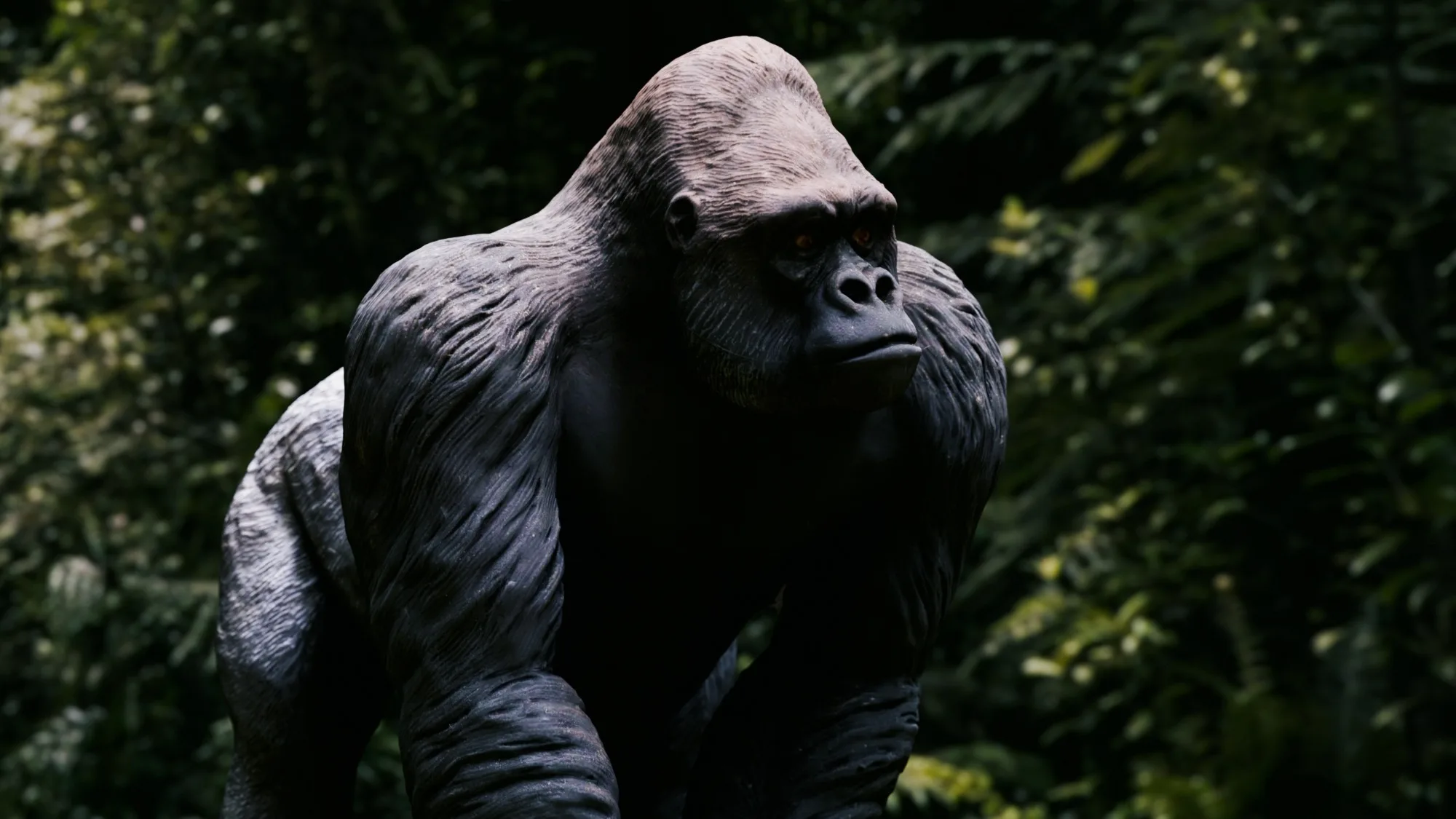
Bwindi is internationally celebrated as one of only two ecosystems on Earth that protect wild mountain gorillas (Gorilla beringei beringei), harboring approximately 459 individuals—roughly 45 percent of the global population. Through decades of rigorous conservation led by the Uganda Wildlife Authority (UWA) in collaboration with international researchers, several gorilla groups have been habituated for monitored tourism across four distinct park sectors:
- Buhoma Sector (North): The historic birthplace of gorilla tourism in Uganda, home to the pioneering Mubare, Habinyanja, and Rushegura families, accessible via smooth approach roads from Kabale.
- Ruhija Sector (East): Situated at higher altitudes with brisk temperatures, Ruhija offers scenic treks to the Bitukura, Oruzogo, and Kyaguriro research groups, alongside high-altitude birdwatching at Mubwindi Swamp.
- Rushaga Sector (South): Features the highest concentration of habituated groups (including Nshongi, Mishaya, and Bweza) and serves as the exclusive base for Gorilla Habituation Experiences.
- Nkuringo Sector (Southwest): Known for physically demanding, steep-ridge ascents and dramatic panoramic vistas overlooking the Virunga Volcano range.
Rigorous Trekking Protocols and Conservation Ethics
Gorilla tracking permits are strictly limited by UWA to eight visitors per habituated family each day, with visitor contact capped at precisely sixty minutes. This restriction minimizes psychological stress on the primates and limits the transmission of human respiratory pathogens, to which gorillas are biologically vulnerable.
Trackers must maintain an official minimum distance of seven metres (extended to ten metres in current health protocols) and wear medical masks during the contact hour. Because gorillas roam unconstrained across rugged mountainous terrain, trek durations range from 90 minutes to over seven hours depending on where the family nested the previous night.
Albertine Rift Endemic Birdlife and Forest Primates
Beyond mountain gorillas, Bwindi protects 350 bird species, including 23 species endemic to the Albertine Rift montane ecosystem. Renowned birding targets include the African green broadbill, Grauer's swamp warbler, Shelley's crimsonwing, and Chapin's flycatcher. The forest canopy also supports ten other primate species, including L'Hoest's monkeys, black-and-white colobus, blue monkeys, and eastern chimpanzees.
Respectful Batwa Cultural Engagement
The indigenous Batwa forest-dwelling communities lived inside the Bwindi forest for millennia as hunter-gatherers before the area's gazettement as a national park in 1991. Today, community-led initiatives such as the Batwa Cultural Experience in Buhoma enable Batwa guides to demonstrate traditional medicinal plant foraging, fire-making techniques, and forest lore on ancestral buffer lands, providing direct household revenue while preserving indigenous cultural heritage.
Seasons, Access and Trekking Preparation
Trekking takes place year-round. The drier months from June to August and December to February provide firmer footpath traction underfoot, although brief afternoon showers can occur at any season. The rainy months (March to May and October to November) produce slippery slopes but also coincide with lower accommodation rates and richer fruit fruiting seasons when gorillas often stay at lower elevations.
Bwindi is accessed by road from Entebbe or Kampala (approximately eight to nine hours via Mbarara), or by domestic scheduled bush flights from Entebbe International Airport (EBB) to Kihihi Airstrip (serving Buhoma and Ruhija) or Kisoro Airstrip (serving Rushaga and Nkuringo).
Frequently Asked Questions
What physical fitness level is required for gorilla trekking in Bwindi?
A moderate-to-good level of physical fitness is recommended. Treks traverse steep muddy ridges, dense vegetation, and altitudes up to 2,600 metres without marked footpaths. Local porters are available for hire at trailhead briefings to assist with daypacks and steep ascents.
Can a gorilla encounter be assured during an official permit trek?
While Uganda Wildlife Authority trackers locate gorilla nests early each morning before guest groups depart—resulting in historic sighting success rates exceeding 95 percent—wild primates move freely and sightings can never be assured or contractually promised.
What gear should be packed for Bwindi rainforest trekking?
Essential gear includes sturdy waterproof hiking boots with deep ankle support, lightweight gardening gloves to grasp thorny vines, long trousers tucked into socks to deter safari ants, a waterproof rain jacket, and a daypack with at least two litres of water.
🦍 Wildlife & Nature
🎯 Top Experiences
🧳 Travel Tips & Practical Advice
Uganda Beyond Gorilla Trekking: Forests, Waterways and Wildlife
Uganda’s mountain gorillas are extraordinary, but they are only one part of a country shaped by rainforest, savanna, crater lakes and the Nile. Discover a balanced journey through its most distinctive landscapes.
🗺️ Bwindi Impenetrable National Park Experiences
No tours are currently listed. Request a custom journey with a verified local operator.
✨ Request a Custom Journey with a Local Operator →📷 Bwindi Impenetrable National Park Photo Gallery
Click any photo to enlarge (3)📍 Nearby Destinations in Uganda
ℹ️ Practical Info
Explore Bwindi Impenetrable National Park
Custom journeys crafted directly by verified in-country specialists.
Request Custom Journey →