Uganda is often introduced through a single encounter: standing quietly in a mountain forest while a gorilla family moves through the vegetation. That experience can be profound, but it should not reduce an entire country to one photograph or one hour in the forest.
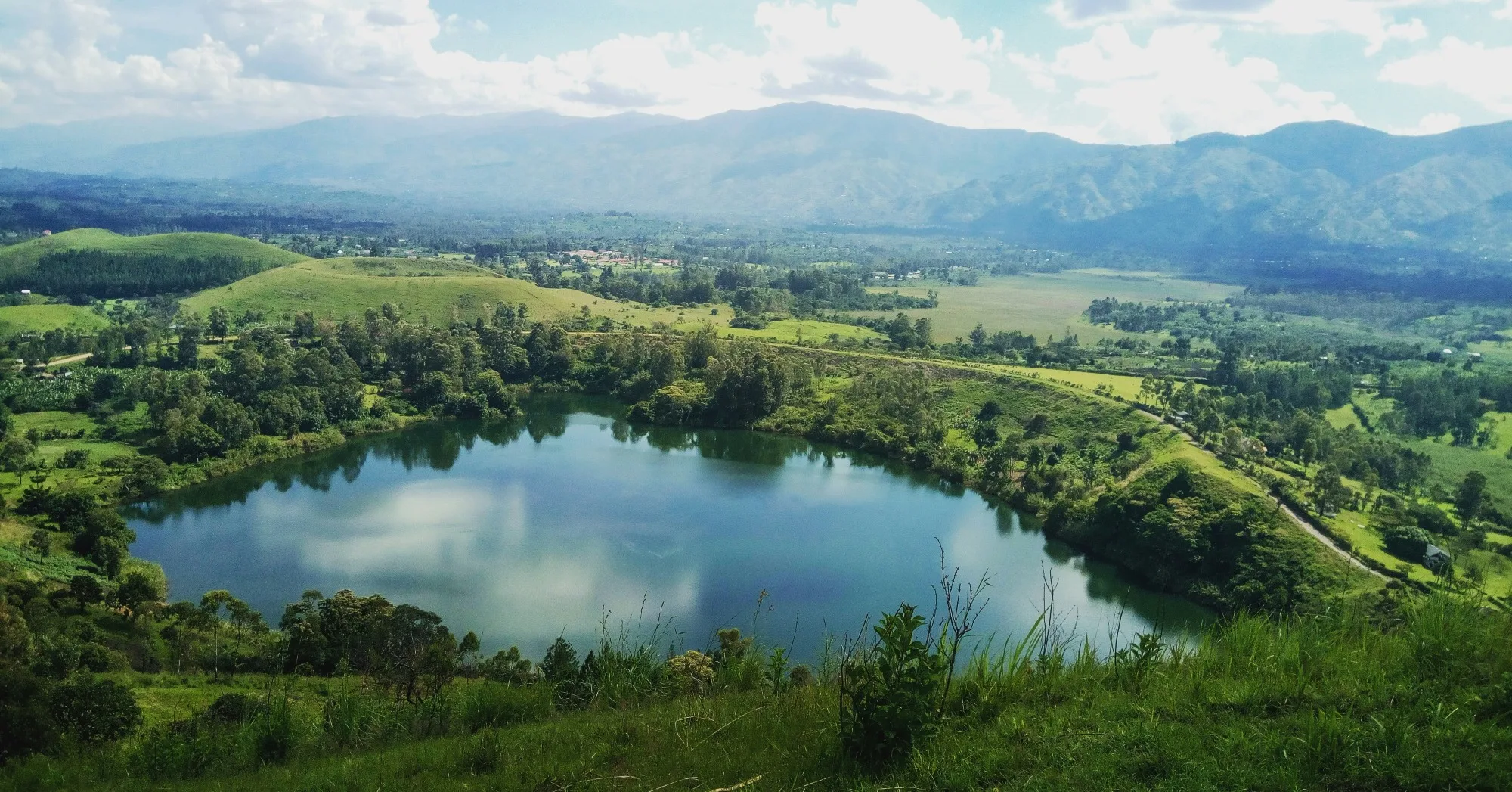
Western Uganda links several very different ecosystems. Tropical forest rises along the Albertine Rift. Crater lakes occupy old volcanic landscapes. Savanna opens around the Kazinga Channel. Farther north, the Nile passes through Murchison Falls before spreading into a broad river corridor rich in birdlife and wildlife.
A well-planned Uganda journey gives each landscape time to register. It also recognizes that wildlife encounters are never guaranteed, permits and park rules must be confirmed, and long road transfers are part of the logistics. The reward is a journey with unusual ecological variety and strong opportunities to travel with local guides, community enterprises and licensed operators.
Why Uganda rewards a slower journey
Uganda’s western circuit may appear compact on a map, but driving times can be long. Road conditions, weather, traffic and stops all affect the day. Trying to combine every major park in a week often produces more time in a vehicle than in the places travelers came to experience.
Slower travel improves more than comfort. It creates room for forest walks, boat journeys, birding, community-led activities and unhurried wildlife observation. It also provides a buffer if a permit time changes or a transfer takes longer than expected.
The Uganda Wildlife Authority manages the country’s national parks and regulates protected-area activities. Gorilla and chimpanzee experiences require advance planning through authorized channels. Travelers should confirm current permits, minimum ages, health requirements, physical expectations and cancellation terms with a qualified Ugandan operator before committing to an itinerary.
Entebbe and Kampala: begin with context
Many international journeys begin near Entebbe. Rather than departing immediately on a full-day road transfer, consider allowing time to recover from the flight and receive a complete briefing.
This first day is useful for checking permits, luggage, footwear, rain protection and medication. It is also the moment to discuss photography etiquette, tipping expectations, emergency procedures and how the operator works with guides and communities.
Kampala can add an urban dimension for travelers interested in contemporary culture, food and history. It should be treated as a living city rather than a brief traffic obstacle between the airport and the parks.
Murchison Falls: the Nile through a changing landscape
Murchison Falls National Park lies at the northern end of the Albertine Rift. The wider landscape includes savanna, woodland, riverine habitat and the Nile. The river is central to the experience, whether viewed near the falls or from a responsibly operated boat journey.
Wildlife viewing should be patient and governed by park rules. Keep distance from animals, stay on authorized tracks and avoid pressuring a guide to crowd a sighting. The most memorable moments are often quieter: giraffes moving across open country, birds along the riverbank or the changing light over the Nile.
The park works best with at least two nights. A rushed visit built around one photograph of the falls misses the scale and variety of the surrounding conservation area.
Kibale: a forest experienced through sound and movement
Kibale National Park is known for primate experiences, but its character is broader than a checklist of species. The forest is layered and acoustically complex. Calls travel through the canopy, leaves move before an animal becomes visible, and guides interpret tracks, plants and behavior that visitors might otherwise miss.
Chimpanzee tracking is a regulated wildlife activity, not a performance. Sightings, proximity and visibility vary. Travelers should follow ranger instructions, respect time limits and disclose illness because respiratory infections can threaten primates.
The surrounding region also offers crater-lake scenery and community activities. Choose experiences that explain who operates the activity, how guides are paid and how visitor income supports local priorities.
Queen Elizabeth National Park: savanna, water and the Rift Valley
Queen Elizabeth National Park brings together open plains, wetlands, lakes and the Kazinga Channel. This diversity makes the park a useful contrast after time in the forest.
A boat journey can reveal the importance of water to birds and mammals, while game drives explore a changing mosaic of habitats. Wildlife distribution shifts with water, weather and disturbance, so no responsible operator should guarantee a particular sighting.
The Ishasha sector is often associated with lions resting in trees, but this behavior must be treated as a possibility rather than a promise. The journey between Queen Elizabeth and Bwindi can pass through this southern landscape, provided timing and road conditions allow.
Bwindi: prepare for the forest, not only the photograph
Bwindi Impenetrable National Park is recognized internationally for its biodiversity as well as its mountain gorillas. The terrain can be steep, wet and uneven. Trek length varies according to the location of the assigned gorilla family and conditions on the day.
Preparation matters. Wear broken-in hiking footwear, carry rain protection and water, and discuss mobility honestly with the operator. Porter services can provide valuable local employment while assisting travelers with equipment and difficult terrain; arrangements and payment should be handled respectfully.
During the encounter, the ranger’s instructions take priority over photography. Maintain the required distance, avoid sudden movement, keep voices low and never travel when ill. A gorilla permit supports a regulated conservation system, but responsible behavior remains essential at the point of encounter.
Bwindi also has neighboring communities with their own histories and present-day priorities. Cultural activities should be community-led, consensual and accurately described. Avoid experiences that turn people into scenery or encourage photography without permission.
Lake Mburo: a gentler transition
Lake Mburo National Park can provide a useful final stop on a western circuit. Its scale and location make it suitable for a slower transition toward Entebbe, with opportunities that may include game drives, walking activities or boat experiences depending on current park operations.
It should not be treated merely as a place to break a drive. A night here allows travelers to appreciate a different landscape and finish the journey without compressing a long return transfer around an international departure.
A balanced 12-day Uganda route
This route is a planning framework, not a fixed package. Permit availability, road conditions, accommodation and park rules must be confirmed with a licensed Ugandan operator.
- Day 1 — Entebbe:
Arrive, rest and complete permit, equipment and safety checks.
- Day 2 — Entebbe to Murchison Falls region:
Travel north with planned breaks and arrive before dark.
- Day 3 — Murchison Falls National Park:
Explore the savanna and Nile corridor with patient, rule-compliant wildlife viewing.
- Day 4 — Murchison Falls to the Kibale region:
Allow a full transfer day and avoid adding a rushed activity after arrival.
- Day 5 — Kibale National Park:
Join a regulated primate experience and leave time to absorb the forest environment.
- Day 6 — Kibale and crater-lake region:
Choose a guided walk or community-led activity with transparent local benefit.
- Day 7 — Kibale to Queen Elizabeth National Park:
Enter the Rift Valley landscape and begin exploring only if time permits.
- Day 8 — Queen Elizabeth National Park:
Combine unhurried game viewing with a responsibly operated water-based experience.
- Day 9 — Queen Elizabeth to Bwindi:
Travel through the southern landscape, with wildlife stops governed by conditions and park rules.
- Day 10 — Bwindi Impenetrable National Park:
Undertake the assigned gorilla trek with rangers and follow all health and distance requirements.
- Day 11 — Bwindi to Lake Mburo region:
Break the return journey and experience a contrasting protected landscape.
- Day 12 — Lake Mburo to Entebbe:
Return with a realistic buffer before any international departure.
Adding one or two nights makes the journey more comfortable. Extra time is best used in Kibale, Bwindi or Murchison Falls rather than adding another distant park.
When to consider traveling
Uganda can be visited in different seasons, but conditions affect roads, trails, vegetation and wildlife visibility. Wetter periods can make forest tracks muddier and some journeys slower. Drier periods may simplify certain road transfers, but rain remains possible in tropical and highland areas.
Seasonal labels should never replace current operational advice. Ask the operator about recent road conditions, permit availability, expected trail conditions and suitable equipment for the specific travel dates.
Responsible primate and wildlife travel
Book regulated wildlife activities through authorized channels.
Never trek when experiencing symptoms of infectious illness.
Follow ranger instructions, distance rules and encounter time limits.
Do not use flash where prohibited or pressure animals for a photograph.
Keep noise low and remain on authorized roads and trails.
Ask how porter, guide and community payments are managed.
Obtain permission before photographing people or private property.
Carry waste out and reduce single-use plastics where practical.
Avoid promises of guaranteed gorilla, chimpanzee or predator sightings.
Frequently asked questions
Is gorilla trekking the only reason to visit Uganda?
No. Uganda combines rainforest, savanna, wetlands, crater landscapes, the Nile and significant birdlife. Gorilla trekking can be one part of a broader journey rather than its only purpose.
How difficult is a gorilla trek?
Difficulty varies considerably. Terrain, rain, altitude and the location of the gorilla family all affect the day. Travelers should discuss fitness and mobility with their operator before booking.
Can gorillas or chimpanzees be guaranteed?
No ethical wildlife experience should be presented as guaranteed. Rangers use current knowledge to locate habituated groups, but these are wild animals in natural habitats.
How many days are appropriate for Uganda’s western circuit?
Ten to fourteen days creates a more balanced journey than attempting the same route in one week. The right duration depends on permits, preferred activities and tolerance for long drives.
Should I self-drive?
Some experienced travelers self-drive, but forest permits, long transfers, variable road conditions and protected-area logistics make a qualified local operator valuable. Review insurance, vehicle support and emergency procedures carefully.
Let Uganda reveal its range
Uganda’s strongest journeys connect its celebrated primate encounters to a much larger landscape. Forest gives way to crater lakes, savanna and the Nile. Wildlife is encountered through patience rather than certainty, and local knowledge shapes every stage of the route.
Plan beyond the headline, allow enough time and work with an operator who explains both the experience and the responsibility that comes with it.
Plan Your Journey with Verified Local Operators
Ethical itineraries · Registered local guides · Direct booking
TravelAfricas Editorial Team
Our editorial team collaborates with licensed local guides, conservationists, and regional travel specialists to produce accurate, responsible African travel dispatches.