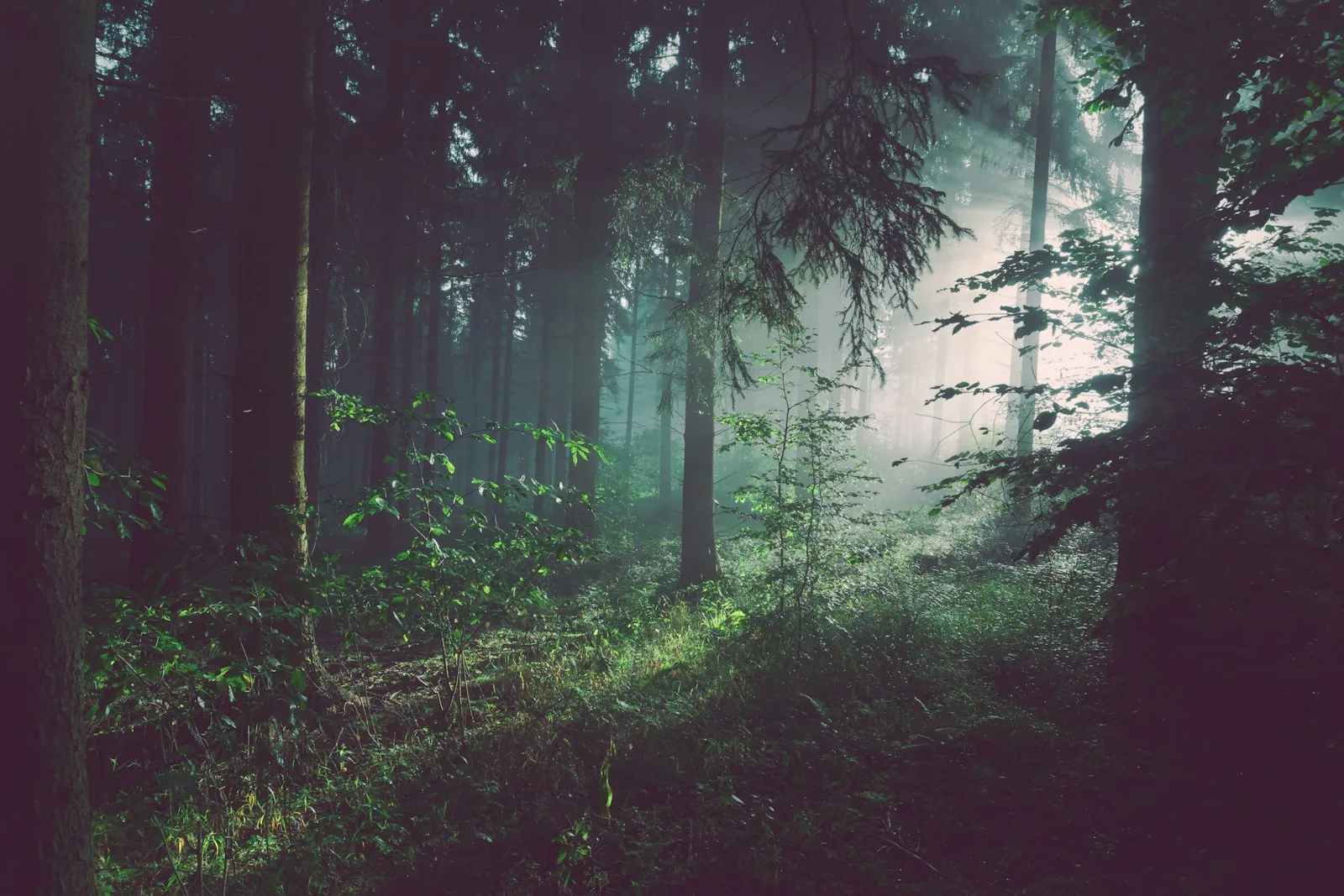
Ranomafana National Park
Explore the cloud-draped mountain rainforests of Ranomafana National Park in southeastern Madagascar. Inscribed as a UNESCO World Heritage site, this biological hotspot protects the rare golden bamboo lemur and natural thermal springs.
About Ranomafana National Park
Biodiversity Citadel of the Eastern Escarpment
Covering 416 square kilometres across the Haute Matsiatra and Vatovavy-Fitovinany regions in southeastern Madagascar, Ranomafana National Park is one of the island's most celebrated conservation sanctuaries. Inscribed in 2007 as part of the UNESCO World Heritage site Rainforests of the Atsinanana, the park spans steep mountainous terrain on the eastern escarpment, with elevations ranging from 500 to 1,500 metres above sea level.
The park was established in 1991 following the monumental 1986 discovery of the golden bamboo lemur (Hapalemur aureus) by primatologist Dr. Patricia Wright. The park takes its name from the Malagasy words Rano Mafana, meaning 'hot water'—in reference to natural geothermal sulfur springs bubbling up near the village of Ranomafana.
Lemur Stronghold: Bamboo Specialists and Sifakas
Ranomafana supports twelve distinct lemur species, occupying distinct dietary and ecological niches within the montane rainforest:
- The Three Bamboo Lemurs: Ranomafana is the only place where three sympatric bamboo-feeding lemur species coexist: the critically endangered golden bamboo lemur, the greater bamboo lemur, and the lesser bamboo lemur. The golden bamboo lemur consumes daily amounts of cyanogenic giant bamboo shoots containing doses of cyanide that would prove lethal to any other mammal of comparable size.
- Milne-Edwards' Sifaka (Propithecus edwardsi): A striking, dark-brown and cream arboreal primate that propels itself through the rainforest canopy in soaring, athletic leaps.
- Nocturnal Species: Guided night walks along the forest perimeter frequently reveal the diminutive brown mouse lemur, greater dwarf lemur, and sleeping chameleons perched delicately on fern tips.
Centre ValBio: International Research and Conservation
Adjacent to the park entrance stands Centre ValBio, a world-class rainforest research station founded by Stony Brook University. The center spearheads international scientific research on biodiversity conservation, infectious disease ecology, and local community health and education programs, demonstrating how scientific collaboration enhances protected-area management.
Scenic Trails and Thermal Baths
The park offers diverse hiking circuits, ranging from the popular three-hour Varibolomena Trail (ideal for observing bamboo lemurs and scenic waterfalls) to the challenging multi-day Vohiparara Trail traversing high-altitude cloud forest and peat bogs. In Ranomafana village, travelers can soak in therapeutic thermal baths fed by natural hot springs after rigorous forest hikes.
Seasons, Access and Travel Logistics
Ranomafana experiences a humid tropical rainforest climate with rainfall throughout the year. The optimal trekking period is during the drier, cooler months from September to November, when lemurs are highly active, trails are less slippery, and orchids are in flower. The wettest months occur between January and March.
The park is situated along paved National Road 25 (RN25), roughly 60 kilometres east of the highland cultural city of Fianarantsoa (about 1.5 hours by car) and approximately nine to ten hours south of Antananarivo via RN7.
Frequently Asked Questions
How does the golden bamboo lemur survive cyanide poisoning?
The golden bamboo lemur has evolved specialized metabolic detoxification mechanisms that neutralize high cyanide concentrations present in giant bamboo shoots, though the exact physiological pathway remains an active focus of research at Centre ValBio.
Are hiking trails in Ranomafana physically demanding?
Yes. The terrain features steep muddy slopes, wet granite steps, and tangled tree roots. Hikers should wear sturdy hiking boots with aggressive tread, carry a lightweight walking pole, and maintain a reasonable level of physical stamina.
What precautions protect against rainforest leeches in Ranomafana?
Terrestrial leeches are common in wet leaf litter. Hikers should wear long socks tucked tightly into hiking pants, apply insect repellent or eucalyptus oil to boots, and wear lightweight gaiters.
🦍 Wildlife & Nature
🎯 Top Experiences
🧳 Travel Tips & Practical Advice
Madagascar Beyond the Lemurs: Rainforests, Highlands and Isalo
Madagascar’s lemurs are remarkable, but they belong to a much larger story of rainforest, highland communities, sandstone massifs and extraordinary endemic life.
🗺️ Ranomafana National Park Experiences
No tours are currently listed. Request a custom journey with a verified local operator.
✨ Request a Custom Journey with a Local Operator →📷 Ranomafana National Park Photo Gallery
Click any photo to enlarge (2)📍 Nearby Destinations in Madagascar
ℹ️ Practical Info
Explore Ranomafana National Park
Custom journeys crafted directly by verified in-country specialists.
Request Custom Journey →