Nosy Be Archipelago
Unwind on the tropical volcanic shores of Nosy Be and its surrounding archipelago in northwestern Madagascar. Renowned as the Perfume Island for fragrant ylang-ylang plantations, Nosy Be combines coral reef diving with Lokobe rainforest lemurs.
About Nosy Be Archipelago
The Perfume Island of the Mozambique Channel
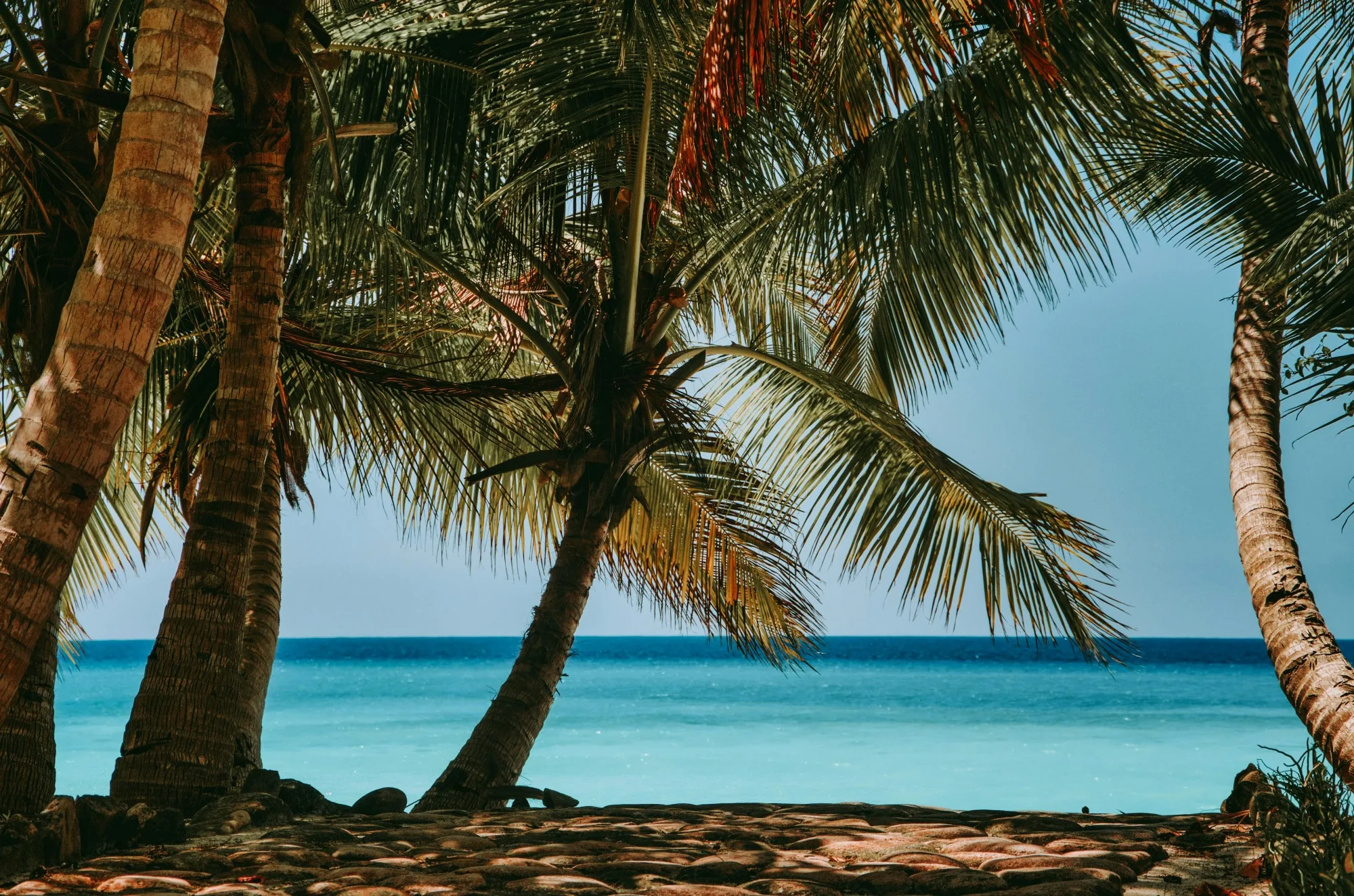
Resting in the warm, turquoise waters of the Mozambique Channel roughly eight kilometres off the northwestern coast of Madagascar, Nosy Be (meaning 'Big Island' in Malagasy) spans 320 square kilometres. Formed by ancient volcanic activity, the island is adorned with eleven extinct volcanic crater lakes, lush rolling hills, and palm-fringed coral sand beaches.
Colloquially known as 'The Perfume Island' (L'Île aux Parfums), Nosy Be is blanketed by expansive agricultural plantations of ylang-ylang (Cananga odorata), whose fragrant yellow blossoms are steam-distilled into precious essential oils for global perfumeries, alongside aromatic crops of vanilla, sugarcane, and coffee.
Lokobe National Park: Island Rainforest Sanctuary
Covering 740 hectares on the southeastern tip of the island, Lokobe National Park preserves the last surviving tract of primary Sambirano lowland rainforest on Nosy Be. Accessible by traditional wooden outrigger canoes from the village of Ambatozavavy, Lokobe is an exceptional refuge for endemic wildlife:
- Black Lemur (Eulemur macaco): The park's signature primate, exhibiting striking sexual dichromatism: males possess lustrous jet-black coats and piercing amber eyes, while females display golden-chestnut fur with distinctive white ear tufts.
- Miniature Chameleons and Frogs: Lokobe is home to Brookesia micra and Brookesia stumpffi (dwarf leaf chameleons among the smallest reptiles on Earth) and the endemic Stumpff's jumping frog.
Satellite Marine Reserves: Tanikely, Sakatia, and Iranja
The archipelago encompasses exceptional satellite islands accessible via day boat excursions:
- Nosy Tanikely Marine Reserve: A strictly protected marine sanctuary centered around a historic 1908 lighthouse. Shallow coral gardens fringing the island offer magnificent snorkeling with green sea turtles, hawksbill turtles, moray eels, and vibrant reef fish.
- Nosy Sakatia (Orchid Island): A tranquil island known for quiet walking trails, endemic orchids, and sheltered seagrass meadows where travelers can snorkel alongside giant green sea turtles.
- Nosy Iranja: Composed of two verdant islets connected at low tide by a spectacular 1.5-kilometre sandbar of powdered white coral, creating an unforgettable tropical seascape.
Seasonal Marine Encounters: Whale Sharks and Humpbacks
The waters surrounding Nosy Be represent one of the world's most reliable hotspots for seasonal marine megafauna. Between October and December, nutrient-rich plankton blooms attract dozens of migrating whale sharks (Rhincodon typus), allowing travelers to swim alongside these gentle filter-feeding giants under ethical, non-invasive marine guidelines. From August to October, migrating humpback whales enter coastal bays to nurse newborn calves.
Seasons, Access and Travel Logistics
Nosy Be benefits from a sunny, tropical climate with over 300 sunny days per year. The dry winter season (May through October) offers comfortable temperatures (24°C to 28°C) and calm seas. The summer wet season (December through March) brings afternoon tropical downpours and warmer waters.
Fascene International Airport (NOS) on Nosy Be receives direct international flights from Milan, Rome, Addis Ababa, and Johannesburg, as well as domestic flights from Antananarivo, making it the most easily accessible island destination in Madagascar.
Frequently Asked Questions
What is the recommended season to swim with whale sharks in Nosy Be?
The premier window for swimming with whale sharks is from October through December, when high plankton concentrations in coastal bays draw feeding whale sharks close to the surface.
Are motorized water sports permitted at Nosy Tanikely?
No. Nosy Tanikely is a strictly managed Marine National Park where motorized watercraft, spearfishing, and shell collecting are prohibited to protect fragile coral reef ecosystems.
How do visitors travel between Nosy Be and satellite islands?
Excursions operate daily via twin-engine speedboats or chartered catamarans departing from the main beaches of Ambatoloaka, Madirokely, and Hell-Ville harbor.
🦍 Wildlife & Nature
🎯 Top Experiences
🧳 Travel Tips & Practical Advice
Madagascar Beyond the Lemurs: Rainforests, Highlands and Isalo
Madagascar’s lemurs are remarkable, but they belong to a much larger story of rainforest, highland communities, sandstone massifs and extraordinary endemic life.
🗺️ Nosy Be Archipelago Experiences
No tours are currently listed. Request a custom journey with a verified local operator.
✨ Request a Custom Journey with a Local Operator →📷 Nosy Be Archipelago Photo Gallery
Click any photo to enlarge (3)ℹ️ Practical Info
Explore Nosy Be Archipelago
Custom journeys crafted directly by verified in-country specialists.
Request Custom Journey →