Etosha National Park
Witness extraordinary wildlife concentrations around natural waterholes in Etosha National Park, northern Namibia. Dominated by a massive 4,800-square-kilometer mineral salt pan, Etosha offers self-drive safari circuits and critical black rhino sanctuaries.
About Etosha National Park
The Great White Place and Mineral Pan Topography
Covering 22,270 square kilometres in northern Namibia, Etosha National Park was proclaimed as a game reserve in 1907 by the German colonial administration and transformed into a premier national park in 1958. Its dominant physical feature is the Etosha Pan—an immense, flat mineral basin spanning 4,800 square kilometres (roughly 130 kilometres long by 50 kilometres wide), so expansive that it is clearly visible from orbital space.
The name Etosha originates from the Oshindonga language, meaning 'Great White Place,' in reference to the shimmering expanse of dry white clay and mineral salts that blanket the basin for most of the year. During years of heavy rains, ephemeral rivers flood the northern pan, transforming it into a shallow lake that attracts hundreds of thousands of greater and lesser flamingos.
Waterhole-Centric Safari Dynamics
Because Etosha is predominantly arid with very few permanent natural springs outside the pan rim, wildlife viewing revolves almost entirely around dozens of perennial waterholes scattered along the southern edge of the pan. During the dry winter season (May through October), thousands of animals must visit these water points daily:
- Okaukuejo Waterhole: Famous for its elevated viewing terrace, Okaukuejo is illuminated by gentle floodlights at night, allowing quiet observation of critically endangered black rhinos, elephant herds, and lion prides drinking after dusk.
- Halali Waterhole (Moringa): Nestled among dolomite hills, this secluded waterhole frequently attracts leopards, honey badgers, and breeding elephant herds during cool evening hours.
- Namutoni and Fischer's Pan: Located in the eastern sector around a historic German fort, this area offers lush reedbeds and exceptional birdwatching for migratory waterbirds.
Diverse Fauna and Rare Endemics
Etosha sustains 114 mammal species, 340 bird species, and 110 reptile varieties. In addition to four of the Big Five (lion, leopard, elephant, and black and white rhinos—buffaloes are absent due to historic rinderpest fencing), the park protects healthy populations of the endemic black-faced impala (Aepyceros melampus petersi) and the minuscule Damara dik-dik.
Self-Drive Excellence and Gate Logistics
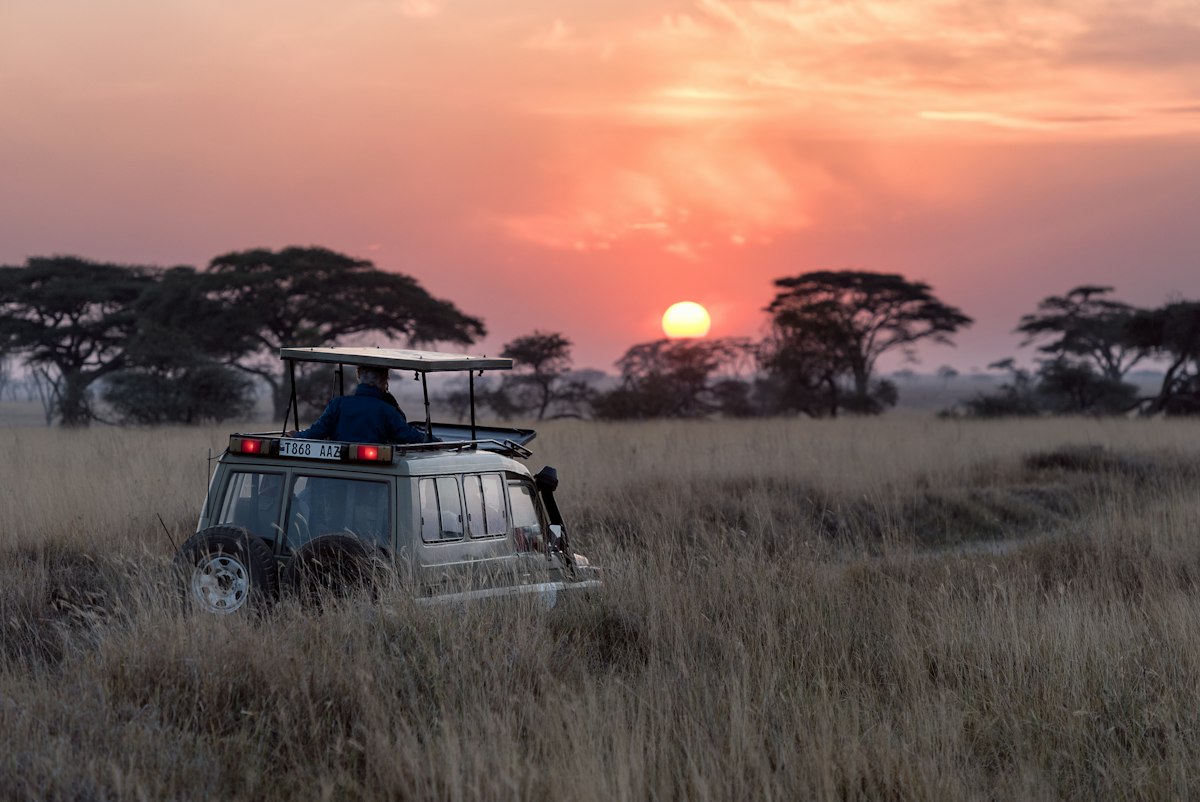
Etosha features well-graded gravel roadways suitable for standard two-wheel-drive sedans during the dry season, making it one of Africa’s premier destinations for independent self-drive safaris. Four main entrance gates provide access: Andersson Gate in the south (near Okaukuejo), Von Lindequist Gate in the east (near Namutoni), Galton Gate in the wild west, and King Nehale Gate in the north.
Seasons, Access and Travel Preparation
The dry winter season from May to October represents the optimal window for wildlife viewing, as thinning vegetation and dried inland depressions force animals to congregate around waterholes. The green season (December through April) brings lush grasslands and newborn calves, though wildlife disperses across dense mopane scrub.
Etosha is located roughly 435 kilometres north of Windhoek on smooth paved highway (B1), taking about four to five hours by car. Light aircraft flights operate between Eros Airport in Windhoek and private airstrips near the park gates.
Frequently Asked Questions
Why are African buffaloes not present in Etosha National Park?
African buffaloes were eliminated from Etosha during the late 19th-century rinderpest epidemic and were deliberately excluded during the construction of veterinary cordon fences to prevent the transmission of foot-and-mouth disease to commercial cattle herds.
Is a four-wheel-drive vehicle required to explore Etosha?
No. The main tourist road network between Okaukuejo, Halali, and Namutoni consists of well-maintained gravel tracks easily navigable in a standard two-wheel-drive passenger car during the dry season.
Are night game drives permitted inside the national park?
Visitors staying at official Namibia Wildlife Resorts (NWR) camps can book guided night game drives operated by licensed park rangers. Private driving after sunset is strictly prohibited.
🦍 Wildlife & Nature
🎯 Top Experiences
🧳 Travel Tips & Practical Advice
Namibia Beyond the Dunes: From Sossusvlei to Etosha
Namibia rewards travelers who embrace distance. Journey from the red dunes of Sossusvlei to the Atlantic coast, ancient rock art and the wildlife gathering around Etosha’s waterholes.
🗺️ Etosha National Park Experiences
No tours are currently listed. Request a custom journey with a verified local operator.
✨ Request a Custom Journey with a Local Operator →📍 Nearby Destinations in Namibia
ℹ️ Practical Info
Explore Etosha National Park
Custom journeys crafted directly by verified in-country specialists.
Request Custom Journey →