For many travelers, South Africa begins and ends with the word “safari.” Kruger National Park deserves its reputation, but it is not the only way to understand the country’s natural or cultural range.
A southern route can begin in Cape Town, follow the Cape Peninsula, move through the Garden Route and finish in the Eastern Cape at Addo Elephant National Park. The journey connects urban history, mountain fynbos, marine environments, indigenous forest and wildlife conservation without requiring a domestic flight to the northeast.
This is not a substitute for Kruger. It is a different story—one in which the transitions between city, coast, forest and savanna matter as much as individual attractions.
Cape Town: begin with history as well as scenery
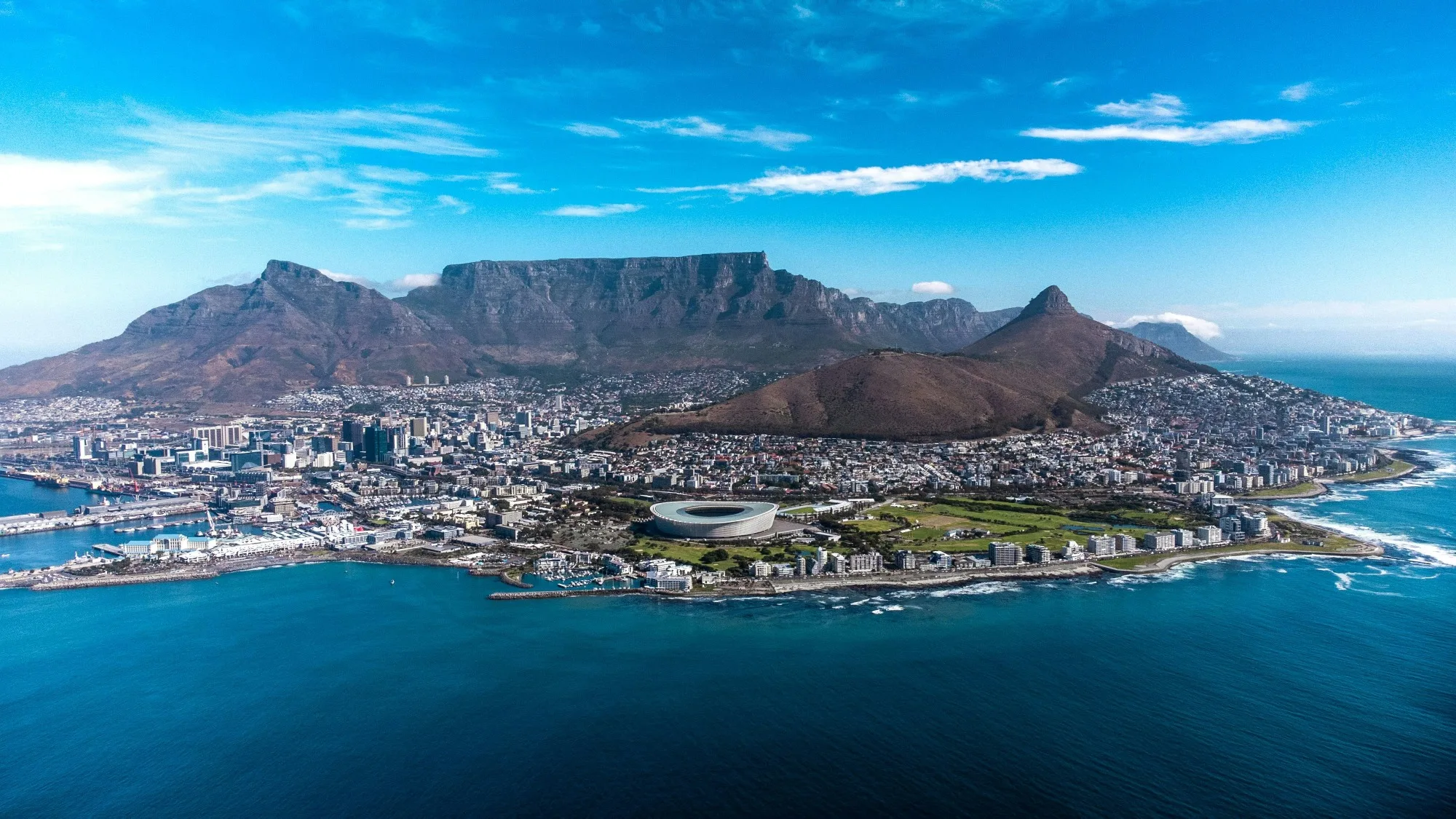
Cape Town’s setting is visually dramatic, but responsible travel requires more than photographing Table Mountain. The city carries histories of colonialism, slavery, forced removal, apartheid and democratic change. These histories remain visible in neighborhoods, museums, public spaces and unequal access to opportunity.
Use qualified local guides and choose experiences that explain who tells the story and who benefits. Avoid turning communities into a brief spectacle. Ask permission before photographing people and do not assume that every neighborhood welcomes casual visitor photography.
Table Mountain National Park extends from the northern mountain area toward Cape Point and includes marine and coastal environments. Weather can change quickly. Trails, cableway operations, fire conditions and access restrictions should be checked on the day.
The Cape Peninsula: a full landscape, not a photo stop
The peninsula deserves a complete day rather than a race between viewpoints. Coastal roads, beaches, fynbos and changing weather shape the experience. Wildlife must be observed from a respectful distance; feeding or approaching baboons, penguins or other animals creates risk for both people and wildlife.
Keep to authorized paths and obey closures. Marine conditions can be dangerous even when the weather appears calm. A local guide adds context about conservation, fishing communities and the Cape’s distinctive plant life.
Winelands with transparency
Travelers may choose to include Stellenbosch, Franschhoek or another wine-producing area. A thoughtful visit looks beyond tasting rooms and asks about land history, labor practices, water use and transport safety.
Use a designated driver or organized transfer. Select businesses that communicate clearly about sourcing, employment and community relationships. Wine is optional; architecture, food, walking and agricultural history can support a worthwhile visit without centering alcohol.
The Garden Route: slow down between forest and sea
The Garden Route is often treated as a scenic drive, but its national-park landscapes deserve more than roadside stops. SANParks describes Garden Route National Park as a protected stretch of South Coast containing lakes, forest, mountains and coastline.
Plan at least two bases rather than changing accommodation every night. Trails should be chosen according to weather, fire conditions and fitness. Coastal activities depend on sea state, and no marine encounter should be guaranteed.
Use established paths, carry waste out and avoid damaging dune or forest vegetation. In busy towns, support locally owned guides, restaurants and small businesses rather than relying only on international booking chains.
The Eastern Cape: landscape and living history
Moving east brings new cultural and historical contexts. The route should not present the Eastern Cape merely as the road to a safari park. Local museums, heritage sites and community-led experiences can help travelers understand the region beyond its wildlife.
Road safety matters. Avoid ambitious night driving, confirm the route and do not leave valuables visible in a vehicle. Advice should come from the operator or accommodation provider familiar with current local conditions.
Addo: conservation beyond one species
Addo Elephant National Park is strongly associated with elephants, but the protected area encompasses a broader range of habitats and conservation objectives. SANParks describes Addo as South Africa’s third-largest national park and refers to a wider protected system extending toward the marine environment.
Elephants and other wildlife remain wild. Keep the required distance, never block an animal’s path and do not crowd water points. Self-driving can be practical on authorized roads, but guided activities can add ecological interpretation and reduce the pressure to chase sightings.
Two nights allow time to observe changing conditions rather than treating the park as a single afternoon stop.
A balanced 12-day South Africa route
This sample route is a planning framework rather than a fixed package. Current park access, road conditions, weather and accommodation must be confirmed before travel.
The route is deliberately linear. It avoids adding Kruger or another distant region simply to lengthen the destination list.
- Day 1 — Cape Town:
Arrive, rest and complete a detailed road, weather and safety briefing.
- Day 2 — Cape Town:
Explore the city’s history with a qualified local guide and allow time for context rather than rushing between landmarks.
- Day 3 — Cape Peninsula:
Follow the coast at a responsible pace, observing wildlife only from authorized areas.
- Day 4 — Cape Town or Winelands:
Choose a transparent food, heritage or agricultural experience with safe transport.
- Day 5 — Cape Town to the Garden Route:
Travel east with realistic stops and avoid arriving after dark.
- Day 6 — Garden Route:
Explore an authorized forest, lake or coastal trail suited to current weather and fitness.
- Day 7 — Garden Route:
Allow a second day for a marine, walking or locally guided experience without guaranteed wildlife claims.
- Day 8 — Garden Route to the Eastern Cape:
Continue east and include only stops that fit safely within daylight hours.
- Day 9 — Addo region:
Enter the protected landscape slowly and follow all park rules around animals and water points.
- Day 10 — Addo Elephant National Park:
Spend a full day observing changing habitats without pursuing a guaranteed species list.
- Day 11 — Addo and surrounding region:
Add a second park day or a credible locally led cultural and conservation experience.
- Day 12 — Gqeberha or onward connection:
Transfer with a realistic buffer for the next flight or continue on a separately planned Eastern Cape journey.
Extra time is best used in Cape Town, the Garden Route or Addo. Adding Kruger would require a separate flight and a substantially redesigned itinerary.
When to consider traveling
South Africa’s climate varies widely by region. Cape weather can change quickly, the Garden Route receives rain in different seasons, and wildlife viewing conditions in Addo are influenced by water, temperature and vegetation.
There is no single perfect month for the entire route. Match the dates to the traveler’s main interests and confirm fire risk, trail access, marine conditions and park operations shortly before departure.
Responsible travel across South Africa
Use local guides for historical and community context.
Obtain permission before photographing people or private property.
Follow SANParks rules, closures and wildlife-distance requirements.
Never feed baboons, penguins or other wildlife.
Stay on authorized trails and protect fynbos, dunes and forest vegetation.
Avoid crowding animals, especially at water points.
Plan road travel in daylight and keep luggage out of sight.
Ask tourism businesses how local employment and conservation contributions are managed.
Treat water, fire and waste guidance seriously in every region.
Frequently asked questions
Can I visit South Africa without going to Kruger?
Yes. Cape Town, the Cape Peninsula, Garden Route and Addo create a varied journey combining history, biodiversity, coast and wildlife. It is a different experience rather than an inferior version of Kruger.
Is the Garden Route one place?
No. It is a broad coastal region with several towns and protected landscapes. Choose a small number of bases instead of moving every night.
Can I self-drive this route?
Many travelers do, but they must understand local driving rules, insurance, road safety and route planning. A local operator or guided transfer can reduce logistical risk and add context.
Are elephant sightings guaranteed in Addo?
No wildlife encounter should be guaranteed. Addo supports elephants and many other species, but location and visibility change with conditions.
Should I include both this route and Kruger in twelve days?
Usually not. Doing so requires flights and compresses both regions. Fourteen to eighteen days is more realistic if Kruger is essential.
Follow the country’s transitions
South Africa cannot be understood through one park or one postcard. Its strongest journeys connect landscape with history and recognize that tourism operates within living communities.
Travel slowly enough to notice the transition from mountain fynbos to forest, coast and Eastern Cape wildlife country. The route becomes richer when each region is allowed to remain distinct.
Plan Your Journey with Verified Local Operators
Ethical itineraries · Registered local guides · Direct booking
TravelAfricas Editorial Team
Our editorial team collaborates with licensed local guides, conservationists, and regional travel specialists to produce accurate, responsible African travel dispatches.